

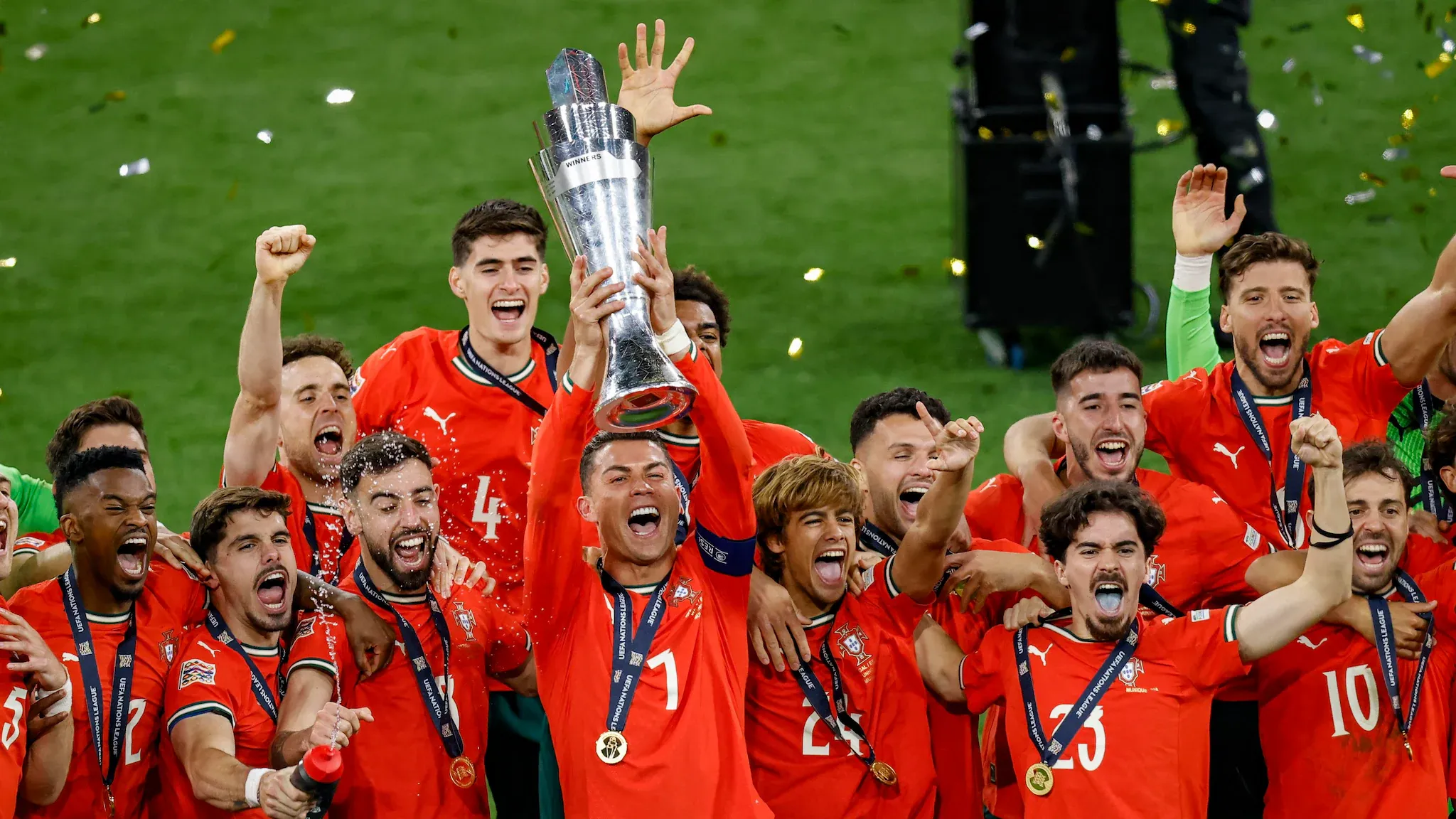
UEFA Nations League has completely reshaped the way European international football is played, watched, and valued. What once felt like routine friendly matches has transformed into high-stakes, competitive encounters that captivate millions of fans across the continent and beyond.
When the tournament was first introduced by UEFA in 2018, many supporters were skeptical. Could a new competition really add excitement to an already crowded football calendar? Fast forward a few seasons, and the answer is clear. The UEFA Nations League has not only increased competitive balance but has also delivered unforgettable moments for national teams and fans alike.
In this in-depth guide, we explore how the tournament works, why it matters, and how it continues to redefine international football in Europe.
The Birth of the UEFA Nations League
The idea behind the UEFA Nations League was simple yet revolutionary. For years, international breaks were filled with friendly matches that lacked intensity and purpose. Coaches used them for experimentation, players approached them cautiously, and fans often struggled to stay engaged.
UEFA recognized the problem. Instead of meaningless friendlies, why not create a structured competition where every match counts? The result was a league-style format involving all 55 UEFA member nations.
The first edition kicked off in 2018, replacing most international friendlies with competitive fixtures. From the beginning, it was clear that this tournament would bring a new layer of excitement to European football.
How the UEFA Nations League Format Works
Understanding the UEFA Nations League format is key to appreciating its brilliance. Teams are divided into four leagues: A, B, C, and D. These leagues are determined based on national team rankings.
League A features Europe’s elite sides, including teams like France national football team, Spain national football team, and Germany national football team. League D, on the other hand, consists of developing football nations aiming to grow and compete at higher levels.
Each league is split into groups. Teams play home-and-away matches within their groups. Group winners in League A advance to the Finals, where they compete for the championship title. Meanwhile, promotion and relegation between leagues ensure competitive balance.
This structure means every match has consequences. Teams fight not just for silverware but also for status and progression.
Why the UEFA Nations League Matters
At first glance, the UEFA Nations League might seem like just another trophy. But its impact runs much deeper.
First, it offers a pathway to major tournaments like the UEFA European Championship. Lower-ranked teams now have a realistic chance to qualify through playoff routes linked to the competition.
Second, it improves match quality. Instead of one-sided friendlies, teams face opponents of similar strength. This leads to more competitive games and tactical depth.
Third, it boosts fan engagement. Packed stadiums, intense rivalries, and real stakes have turned international breaks into must-watch events.
Memorable Moments in UEFA Nations League History
The early editions of the UEFA Nations League produced dramatic storylines. Portugal won the inaugural title in 2019, defeating the Netherlands in the final. It was a historic moment for Portuguese football and a strong validation of the tournament’s concept.
France lifted the trophy in 2021 after a thrilling final against Spain. The match showcased the tournament’s competitive intensity and high technical standards.
Each edition has delivered its own defining narratives. Whether it’s last-minute goals, dramatic comebacks, or emerging talents making their mark, the competition continues to build prestige.
UEFA Nations League and Player Development
One underrated aspect of the UEFA Nations League is its role in player development. Because matches are competitive, coaches must balance experimentation with results.
Young players gain experience in high-pressure environments. Instead of debuting in low-intensity friendlies, they face meaningful matches that test mental strength and tactical understanding.
For emerging football nations, this exposure is invaluable. Competing regularly against teams of similar ranking helps accelerate growth and confidence.
Tactical Evolution in the UEFA Nations League
The tactical dimension of the UEFA Nations League is fascinating. Managers approach these matches with the same seriousness as major tournaments.
Pressing systems, possession structures, and defensive transitions are carefully refined during league fixtures. Coaches use the tournament as preparation for bigger competitions like the FIFA World Cup.
Because relegation is possible, even top teams cannot afford complacency. This pressure encourages innovation and adaptability.
Financial and Commercial Impact
The UEFA Nations League has also brought financial stability to smaller federations. Broadcast rights, sponsorship deals, and increased viewership generate revenue across the continent.
Television ratings during Nations League fixtures have often surpassed traditional friendlies. Sponsors appreciate the competitive edge and global visibility.
For UEFA, the tournament has strengthened the international calendar while maintaining high commercial value.
Fan Experience and Atmosphere
Ask any supporter who has attended a Nations League match, and you will hear the difference immediately. The energy feels real. The stakes feel meaningful.
In cities like Paris, Madrid, and Lisbon, stadiums fill up for Nations League clashes. Fans travel across borders to support their national teams.
The UEFA Nations League has restored pride and excitement to international breaks, making them events rather than interruptions.
Criticism and Debate Around the UEFA Nations League
No competition is without critics. Some argue that the football calendar is already overloaded. Club managers sometimes worry about player fatigue during international breaks.
Others question whether the tournament will maintain long-term prestige. However, attendance figures, viewership data, and player commitment suggest that the competition has secured its place.
Debates continue, but the structure’s benefits are widely acknowledged across European football circles.
UEFA Nations League and Qualification Pathways
One of the smartest innovations of the UEFA Nations League is its link to tournament qualification.
Teams that perform well in their league but fail to qualify through traditional methods can enter playoffs. This creates hope for nations that historically struggled in qualification campaigns.
For example, smaller European countries have reached major tournaments thanks to Nations League performance. That kind of opportunity reshapes football landscapes.
The Role of Rankings in the UEFA Nations League
Rankings determine league placement, which directly affects competition level. National team performances over time shape their position.
This dynamic system ensures fairness. Strong teams compete against strong teams, while developing nations face comparable opposition.
As rankings evolve, so do league compositions. This continuous movement keeps the tournament fresh and unpredictable.
The Future of the UEFA Nations League
Looking ahead, the UEFA Nations League appears firmly embedded in European football’s structure. UEFA continues to refine scheduling and format details to balance club and international commitments.
With each edition, the competition grows in credibility. Young fans who started watching international football after 2018 see it as a normal, essential part of the calendar.
The next cycles are likely to bring further innovation, increased prize money, and even more intense rivalries.
Why the UEFA Nations League Strengthens European Football
At its core, the UEFA Nations League strengthens competitive balance across Europe. It reduces meaningless matches and increases accountability.
For powerhouse nations, it ensures consistent high-level opposition. For emerging teams, it offers realistic progress routes.
For fans, it transforms international breaks into dramatic football nights filled with passion, national pride, and genuine stakes.
European football thrives on rivalry, history, and emotion. This tournament taps into all three.
EEAT Perspective: Expertise, Authority, and Trust
From an EEAT standpoint, the UEFA Nations League represents a structured, transparent competition governed by UEFA, one of football’s most established authorities.
Its format is clearly defined, data-driven, and performance-based. Qualification pathways are publicly documented, and results directly impact rankings and tournament access.
Experts across sports analysis platforms consistently recognize the tournament’s competitive value. Coaches, players, and analysts discuss tactics and outcomes with seriousness, reinforcing its legitimacy.
The credibility of UEFA as an organization further strengthens trust in the competition’s integrity.
Media Coverage and Global Reach
Major broadcasters across Europe cover the UEFA Nations League extensively. Pre-match analysis, tactical breakdowns, and post-match discussions have become standard.
Global audiences tune in, particularly when elite nations clash. Social media engagement spikes during high-profile encounters.
This expanded coverage contributes to the tournament’s growing prestige and international recognition.
Emotional Stories Behind the Competition
Beyond tactics and rankings, football is about emotion. The UEFA Nations League has produced stories of redemption and resurgence.
Teams that struggled in traditional competitions have found new life. Underdogs have stunned favorites. Veterans have delivered farewell performances under competitive lights.
These narratives add depth and humanity to the tournament, ensuring it resonates beyond statistics.
European football has always evolved. From the expansion of continental tournaments to technological innovations like VAR, change is constant. The UEFA Nations League stands as one of the most impactful recent innovations, turning international breaks into thrilling chapters of competitive drama while preserving the spirit and pride of national representation.
Read also:
usmnt vs guatemala national football team lineups
usmnt vs costa rica national football team lineups
mexico national football team vs saudi arabia national football team lineups
spain national football team vs netherlands national football team timeline
uswnt vs republic of ireland women’s national football team lineups