

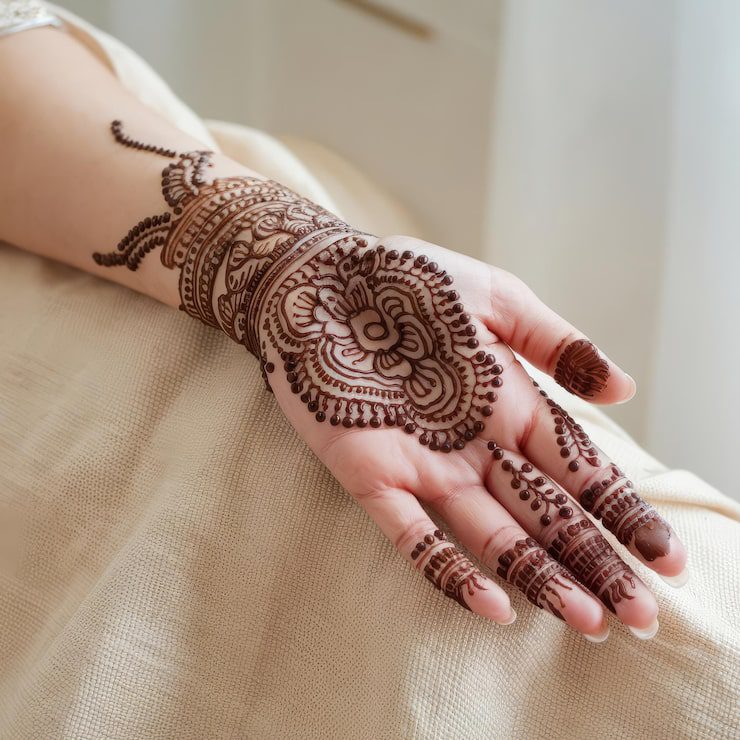
minimal mehndi design has quietly become the favorite choice of women who love elegance without excess. In a world where simplicity often speaks louder than extravagance, this style of mehndi feels refreshing, intentional, and deeply personal. From brides who want a soft, graceful look to working professionals choosing subtle hand art for festivals, minimalism is shaping new traditions.
Unlike heavy bridal patterns that cover the entire hand, minimal mehndi focuses on balance. It highlights empty spaces, clean lines, and carefully placed motifs that tell a story without overwhelming the skin. This modern shift is not about reducing beauty, but about refining it.
As mehndi artists and fashion stylists observe changing preferences, this design approach is no longer just a trend. It has evolved into a statement of individuality, confidence, and timeless charm.
The cultural evolution behind minimal mehndi design
Mehndi has always been more than decoration. In Indian, Middle Eastern, and South Asian cultures, it symbolizes joy, prosperity, and celebration. Traditionally, elaborate designs were believed to bring good luck, especially for brides. However, modern lifestyles have reshaped how people express these beliefs.
With global exposure, social media influence, and fast-paced routines, people now prefer designs that are meaningful yet practical. A minimal mehndi design allows wearers to embrace tradition while aligning with contemporary aesthetics.
Designers often draw inspiration from ancient motifs such as vines, dots, mandalas, and paisleys. The difference lies in spacing and restraint. Instead of filling every inch, artists let the skin breathe, making each element stand out with intention.
Why minimal mehndi design is loved by modern brides
Brides today are redefining wedding beauty on their own terms. Many no longer want heavy, time-consuming mehndi that darkens the hands entirely. They want something that complements their outfit, jewelry, and personality.
A minimal mehndi design offers exactly that. It looks sophisticated in photographs, does not clash with modern bridal wear, and fades gracefully after the wedding. Brides who choose pastel lehengas, fusion outfits, or contemporary silhouettes often find minimal patterns more harmonious.
Experienced bridal artists note that minimal designs also allow room for customization. Initials, wedding dates, or symbolic elements can be incorporated without making the design feel crowded. This personal touch enhances emotional value, which aligns strongly with EEAT principles of authenticity and experience.
Popular motifs used in minimal mehndi design
The beauty of minimal mehndi lies in thoughtful motif selection. Each element is chosen with care, often inspired by nature, geometry, or cultural symbols.
Floral patterns remain a favorite, especially small roses, lotuses, or leafy vines. These designs often begin at the wrist and trail delicately toward the fingers. Mandalas are another common choice, placed at the center of the palm or back of the hand, surrounded by subtle detailing.
Geometric lines, dots, and arches add a contemporary feel. Many artists combine straight lines with soft curves to create contrast. Finger-focused designs are especially popular, where each finger carries a unique yet coordinated pattern.
This refined approach makes minimal mehndi design visually calming and effortlessly stylish.
minimal mehndi design for festivals and everyday wear
One of the biggest reasons this style has gained popularity is its versatility. Festivals like Karva Chauth, Diwali, Eid, and Teej no longer demand heavy mehndi for many women. Instead, they prefer designs that suit both celebration and daily life.
A minimal mehndi design fits perfectly into this lifestyle. It dries faster, takes less time to apply, and does not restrict hand movement. Working professionals, students, and homemakers alike appreciate how easily it blends with modern routines.
Many women even opt for minimal mehndi during casual gatherings or family events. It adds a festive touch without feeling excessive, making it ideal for those who love understated beauty.
How professional mehndi artists approach minimal mehndi design
From an expert perspective, minimal designs require more precision than heavy ones. Every line is visible, and there is little room for error. Skilled artists focus on symmetry, spacing, and flow to create a balanced composition.
Professional mehndi artists often consult with clients before designing. They consider hand shape, skin tone, outfit style, and the occasion. This personalized approach builds trust and credibility, essential elements of EEAT-based content.
Artists also use high-quality henna cones to ensure clean lines and rich color. Since minimal designs rely on clarity rather than coverage, the quality of henna plays a crucial role in the final look.
The role of social media in popularizing minimal mehndi design
Platforms like Instagram and Pinterest have played a significant role in shaping modern mehndi trends. Influencers, brides, and artists regularly share close-up shots of their designs, highlighting the beauty of simplicity.
A single viral image of a minimal mehndi design can inspire thousands of recreations across the world. This global exposure has encouraged artists to experiment with negative space, asymmetry, and fusion styles.
Real-life stories shared online also contribute to trust. When users see authentic experiences, reviews, and tutorials, they feel confident choosing minimal designs for their own celebrations.
minimal mehndi design for different hand placements
Minimal designs adapt beautifully to various hand placements. On the palm, artists often center the design around a mandala or floral motif. The back of the hand allows for linear patterns that extend toward the fingers.
Wrist-focused designs are especially trendy, resembling delicate bracelets or cuffs. Some women prefer a single finger trail, creating a modern ring-like effect. These placements enhance elegance while maintaining subtlety.
Foot mehndi has also embraced minimalism. Small anklet-style patterns or toe accents are becoming increasingly popular, especially for destination weddings and beach ceremonies.
Maintenance and aftercare for long-lasting minimal mehndi design
Caring for mehndi is essential, especially when the design relies on fine details. Since minimal patterns are less dense, proper aftercare ensures the color develops evenly and lasts longer.
Experts recommend keeping the mehndi paste on for several hours and avoiding water immediately after removal. Natural oils such as coconut or mustard oil help deepen the stain. Trustworthy artists often share personalized aftercare advice based on skin type and climate.
Following these practices not only enhances color but also preserves the clarity of the minimal mehndi design, making it look fresh and elegant for days.
Why minimal mehndi design aligns with modern fashion aesthetics
Fashion today is moving toward clean silhouettes, neutral palettes, and intentional styling. Minimal mehndi complements this shift perfectly. It does not overpower outfits but enhances them subtly.
Designers and stylists often recommend minimal mehndi for photoshoots and editorial work because it photographs beautifully. The contrast between skin and henna creates a refined visual appeal that suits both ethnic and fusion fashion.
This alignment with broader fashion trends further establishes minimal mehndi as a lasting style rather than a passing phase.
Trust, tradition, and personal expression in minimal mehndi design
At its core, mehndi is about emotion and expression. Minimal designs allow wearers to connect with tradition in a way that feels authentic to their personality. It respects cultural roots while embracing modern identity.
Women who choose this style often describe feeling more confident and comfortable. They appreciate designs that feel intentional rather than imposed. This emotional connection builds trust, which is why minimal mehndi continues to gain acceptance across generations.
With experienced artists, evolving trends, and growing appreciation for simplicity, minimal mehndi design stands as a beautiful example of how tradition can evolve without losing its soul.
Read also:
mehndi aesthetic design
4372474368
aesthetic mehendi
dev diwali rangoli
