

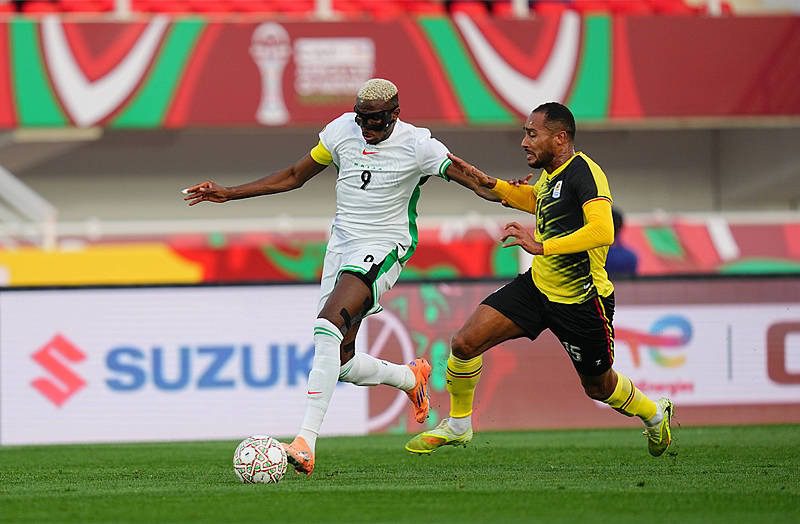
Knockout stage matches are where football transforms from a competition into pure theatre. The safety net disappears, the margin for error shrinks to zero, and every touch of the ball carries weight.
I remember watching a tense night in the UEFA Champions League when the atmosphere felt heavier than usual. It wasn’t just another group fixture. It was do-or-die. One goal could end a dream. That is the magic of knockout football.
In this article, we’ll explore why these games feel different, how teams prepare for them, and what makes them the ultimate test of mental strength and tactical intelligence.
Why Knockout Stage Matches Feel Different
League football offers recovery time. A bad result can be corrected next week. But Knockout stage matches offer no such comfort.
One defensive mistake, one missed penalty, or one red card can send a team home. The urgency changes everything. Players run harder. Coaches think deeper. Fans hold their breath longer.
Take tournaments like the FIFA World Cup. Group stages are intense, but once the round of 16 begins, the tension multiplies. Every nation knows there is no second chance.
That psychological shift defines knockout football.
The Tactical Chess Game in Knockout Stage Matches
Strategy becomes more conservative and calculated in Knockout stage matches. Managers often prioritize defensive organization over attacking flair.
In high-stakes encounters involving Real Madrid, tactical patience frequently proves decisive. The team may absorb pressure for long periods before striking on the counterattack.
Coaches analyze every possible scenario. Should they press aggressively or maintain a compact shape? Is it smarter to control possession or wait for transitions?
These decisions often determine who advances.
The Role of Experience in Knockout Stage Matches
Experience matters enormously when the stakes rise. Players who have survived previous elimination games handle pressure better.
Consider veterans like Luka Modrić, who has played in multiple Champions League finals. His composure in tight moments becomes invaluable during Knockout stage matches.
Young talents may possess incredible skill, but mental resilience is equally important. Penalty shootouts, extra time fatigue, and hostile crowds test emotional strength.
Clubs with seasoned leaders often thrive in elimination rounds.
Historic Comebacks That Define Knockout Stage Matches
Football history is filled with dramatic reversals in Knockout stage matches. These are the nights fans talk about for decades.
One unforgettable example occurred when FC Barcelona staged a remarkable comeback against Paris Saint-Germain in the Champions League. Overturning a massive deficit required belief, tactical bravery, and relentless energy.
Moments like these highlight the unpredictability of elimination football. No lead is entirely safe.
Such matches redefine what supporters believe is possible.
Mental Strength and Psychological Warfare
Pressure during Knockout stage matches affects decision-making. Players may hesitate on clear chances or rush critical passes.
Sports psychologists often emphasize visualization techniques before big games. Preparing the mind is just as important as training the body.
Managers like Carlo Ancelotti are known for calming dressing rooms before crucial ties. A composed squad performs better under stress.
Psychological balance frequently separates winners from losers.
Knockout Stage Matches and Home Advantage
Home advantage plays a complex role in two-legged Knockout stage matches. The first leg can set the tone, while the return leg often decides everything.
Supporters create an electric atmosphere that pushes players beyond fatigue. Yet, playing away first can sometimes reduce pressure and allow counterattacking opportunities.
In competitions like the Copa Libertadores, home crowds generate intimidating environments that influence momentum.
Understanding these dynamics enhances appreciation for tactical planning.
Extra Time and the Drama of Penalties
When ninety minutes are not enough, the drama intensifies. Extra time stretches physical limits. Cramping muscles and exhausted minds battle through final minutes.
Few scenarios are more nerve-wracking than penalty shootouts in Knockout stage matches. The responsibility rests on individual shoulders.
Goalkeepers become heroes or heartbreak figures in seconds. Fans cannot look away. History remembers both the scorer and the one who missed.
These moments define careers.
Data Analysis in Modern Knockout Stage Matches
Modern football relies heavily on analytics. Coaching teams study opponent tendencies in extraordinary detail before Knockout stage matches.
Video analysts review pressing triggers, defensive spacing, and transition patterns. Heat maps and passing networks reveal structural strengths and weaknesses.
Clubs competing in elite tournaments such as the Serie A and the English Premier League apply data-driven strategies in European competitions.
However, numbers must be interpreted with context. Football remains fluid and unpredictable.
Underdog Stories in Knockout Stage Matches
Elimination rounds often produce inspiring underdog runs. Teams with smaller budgets sometimes outplay established giants.
When AS Monaco reached the latter stages of European competition, their fearless attacking style captured global attention.
Such performances demonstrate that courage and cohesion can outweigh financial disparity.
Fans love underdog narratives because they restore belief in competitive balance.
Managing Squad Rotation and Fatigue
Tournament scheduling creates physical challenges. Knockout stage matches frequently follow intense domestic fixtures.
Smart rotation becomes essential. Managers must balance freshness with continuity. Resting key players too often may disrupt rhythm, but overplaying them risks injury.
Clubs competing in multiple competitions face complex logistical planning. Medical staff, nutritionists, and performance analysts all contribute.
Sustainable success requires holistic preparation.
Refereeing and VAR Influence
Officiating decisions often shape Knockout stage matches dramatically. A marginal offside call or handball decision can change tournament trajectories.
The introduction of VAR technology has improved accuracy but also increased scrutiny. Every replay becomes a talking point.
Players must adapt to the reality that decisions are reviewed in microscopic detail. Emotional control during disputes remains crucial.
Transparency and fairness are vital to maintaining trust in the game.
Leadership Under Pressure
Captains carry extraordinary responsibility during elimination rounds. Their body language influences teammates.
Icons like Steven Gerrard demonstrated how leadership inspires resilience in decisive fixtures.
Communication on the pitch becomes sharper in Knockout stage matches. Encouragement, organization, and calm direction guide collective focus.
Leadership often determines whether a team collapses or rallies.
Fan Culture and Global Impact
The global audience for Knockout stage matches is enormous. Viewership numbers surge compared to group fixtures.
Supporters gather in homes, stadiums, and public spaces worldwide. Social media conversations explode with every key moment.
The cultural impact extends beyond sport. Cities experience economic boosts from hosting major elimination games.
Football becomes a unifying force across continents.
EEAT Principles in Covering Knockout Stage Matches
Accurate and trustworthy coverage of Knockout stage matches demands experience and expertise. Analysts must rely on verified statistics and credible sources.
Authoritative insights from former professionals enhance depth. Transparency in reporting strengthens trustworthiness.
Responsible journalism avoids sensationalism while delivering engaging narratives. Readers value balanced perspectives.
By applying EEAT principles, content creators ensure reliability and long-term credibility in sports reporting.
The Everlasting Allure of Knockout Football
There is a unique electricity when everything is on the line. No matter the league or country, elimination games carry universal appeal.
Every season brings fresh drama. New heroes emerge. Established stars cement their legacies.
The unpredictability, intensity, and emotional depth of Knockout stage matches guarantee their place at the heart of football culture.
From the first whistle to the final penalty, these matches remind us why the sport captivates billions around the world.
Read also:
denmark national football team vs spain national football team lineups
ecuador national football team vs argentina national football team lineups
germany national football team vs italy national football team timeline
uruguay national football team vs brazil national football team lineups