


floral hand art design has become one of my favorite ways to add a touch of nature’s elegance to everyday life. Whether it’s through intricate henna patterns, delicate nail decorations, or playful body painting, these designs turn your hands into living canvases that bloom with personality.
I remember the first time I tried a simple floral pattern on my hands for a summer festival. It started with just a few vines and flowers, but the compliments kept coming all day. That’s the magic of this art form—it feels personal and empowering.
These designs draw from ancient traditions like mehendi in Indian culture, where flowers symbolize joy and celebration, to modern trends seen on social media. Today, people mix classic roses and lotuses with contemporary twists, making it accessible for anyone.
Why Floral Hand Art Design Is So Popular Today
People love floral hand art design because it’s versatile and therapeutic. Applying patterns can be a relaxing ritual, almost like mindfulness.
In recent years, social platforms have exploded with inspiration. Artists share everything from bold, full-hand mehendi to subtle nail accents. This visibility has made it a go-to for weddings, parties, or just self-expression.
Culturally, floral motifs carry deep meaning. Roses often represent love, while lotuses signify purity and growth. Incorporating these into hand art adds a layer of storytelling.
Plus, it’s temporary in most cases, so you can experiment without commitment. Henna fades naturally, nail polish chips off, and body paint washes away—perfect for trying new styles.
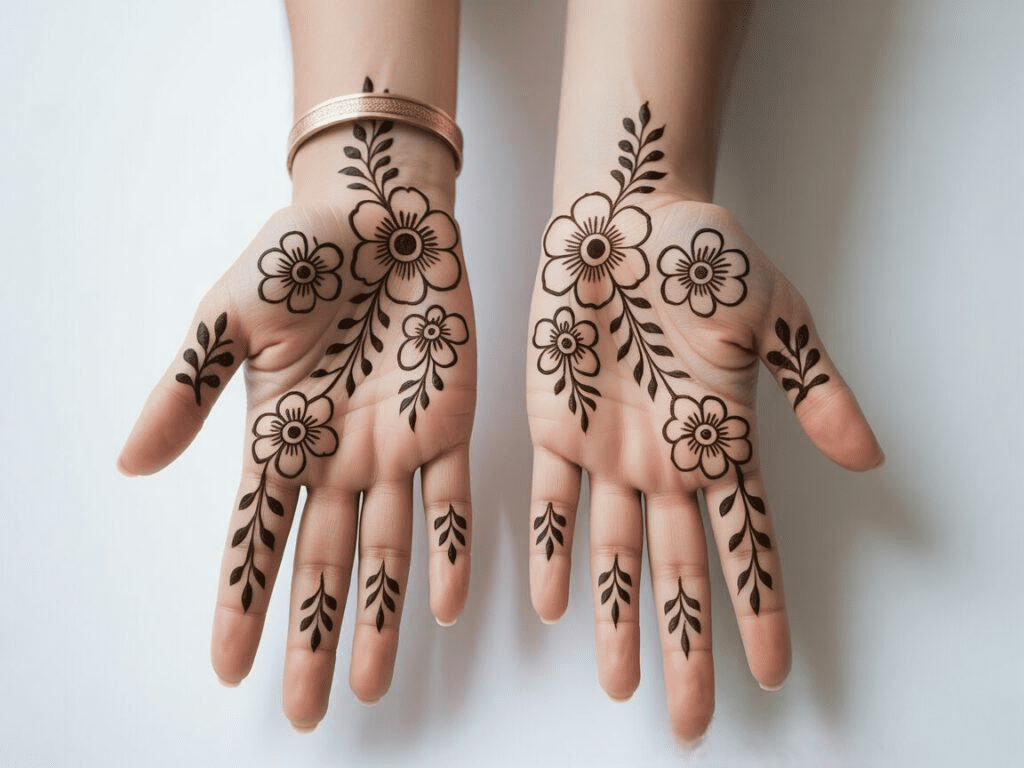
Exploring Henna as a Floral Hand Art Design
Henna, or mehendi, is perhaps the most iconic form of floral hand art design. Natural henna paste from the lawsonia inermis plant creates reddish-brown stains that last one to three weeks.
Traditional designs often feature trailing vines, blooming flowers, and paisley motifs. Brides especially favor elaborate patterns that extend from fingertips to forearms.
A friend of mine got a full-hand floral henna for her engagement party. She chose large central roses connected by delicate leaves and smaller buds. It looked like a garden wrapping around her hands.
Modern henna artists add personal touches, like incorporating initials hidden in petals or mixing Arabic-style minimalism with Indian intricacy.
If you’re new to it, start with back-hand designs. They tend to be easier to apply and show off when you gesture.
Safety tip: Always use natural henna. Avoid “black henna,” which can contain harmful chemicals and cause reactions.
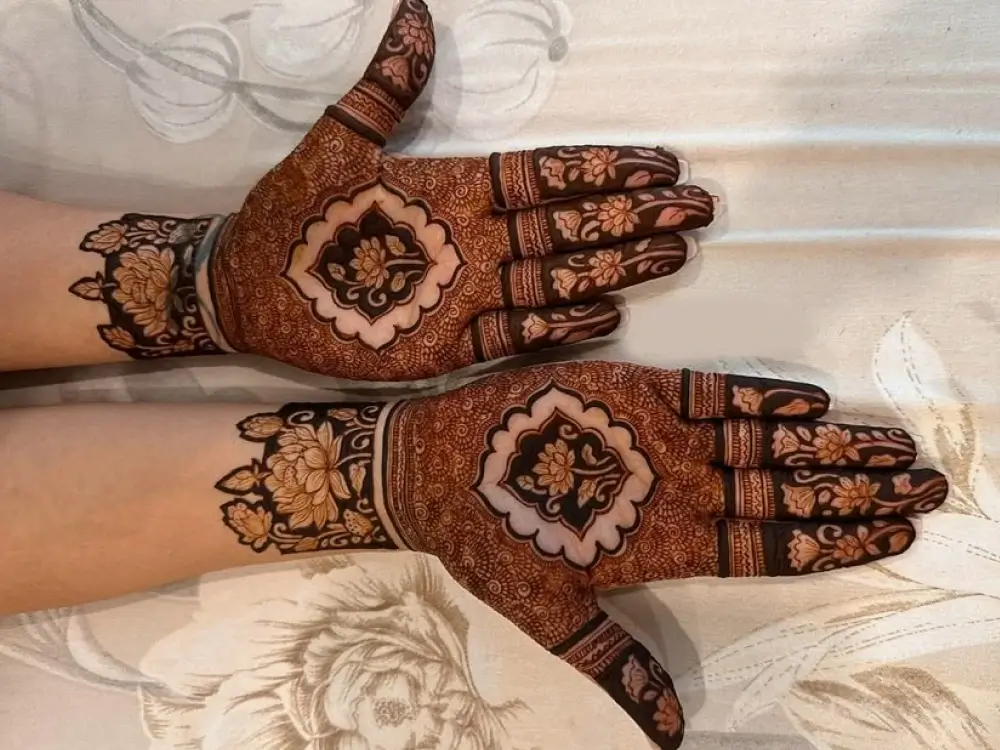
This royal front-hand style highlights how bold flowers can make a statement.
Nail Art: A Fun Take on Floral Hand Art Design
For something more everyday, floral nail art brings floral hand art design to your fingertips—literally.
Nail artists create everything from minimalist daisies on a nude base to vibrant tropical blooms.
One trend I adore is the “blooming” effect, where flowers appear to grow from the cuticle or tip. It gives a 3D illusion without actual dimension.
Hand-painted designs require steady hands, but many use stamping plates or stickers for perfect petals at home.
I once did a simple daisy manicure for a picnic. White petals with yellow centers on a pale blue base—it felt fresh and spring-like, even in fall.
Mixing matte and glossy finishes adds depth. Imagine matte green leaves with shiny pink roses.
For longevity, gel polish holds floral details better than regular lacquer.
:max_bytes(150000):strip_icc()/springfloralnails_recirc-ead08edd8e954563a32200f028ef1cf2.jpg) These nail examples range from tropical vibes to delicate daisies, proving versatility.
These nail examples range from tropical vibes to delicate daisies, proving versatility.Body Painting and Temporary Floral Hand Art Design
Body painting offers a bold, artistic approach to floral hand art design. Artists use skin-safe paints to create illusions of flowers climbing arms or wrapping fingers.
This form shines at festivals, photoshoots, or performances. Some painters make hands look like they’re holding bouquets or emerging from gardens.
A viral trend involves painting realistic flowers that blend seamlessly with skin tones.
It’s less common for daily wear since it washes off quickly, but great for special occasions.
One artist I follow paints entire arms with cascading wisteria—stunning in photos.
Always choose hypoallergenic, water-based paints for safety.

This painted flower on a hand shows the temporary, artistic side.
Popular Floral Elements in Hand Art Designs
Certain flowers pop up repeatedly in floral hand art design.
Roses dominate for their romantic curves. Layered petals allow shading and detail.
Lotuses appear often in henna, symbolizing beauty rising from adversity.
Daisies bring a playful, innocent vibe—perfect for nail art.
Vines and leaves connect everything, adding flow.
Small filler flowers like cherry blossoms or lavender create balance in dense designs.
Mixing sizes—large focal blooms with tiny accents—creates depth.
How to Create Your Own Floral Hand Art Design at Home
You don’t need professional skills to try floral hand art design yourself.
For henna: Buy a natural cone or make paste from powder, lemon juice, and essential oils. Practice on paper first, then trace simple vines and dots for petals.
Start small—a bracelet-style band around the wrist with trailing flowers.
For nails: Use a dotting tool or toothpick. Dot centers, then drag outward for petals.
Stickers make it foolproof for beginners.
For painting: Grab face paints or skin-safe acrylics. Sketch lightly with eyeliner pencil first.
Practice symmetry by doing one hand, then mirroring on the other.
Watch tutorials—they break down petals into basic shapes.
My first home attempt was messy, but by the third try, I had decent roses.
Occasions Perfect for Floral Hand Art Design
Floral hand art design suits so many events.
Weddings and engagements scream for elaborate henna.
Festivals like Diwali or Eid feature traditional mehendi parties.
Summer parties call for bright nail florals.
Even casual days—a subtle painted vine can lift your mood.
One woman I know gets minimal floral nails for job interviews. It adds confidence without overpowering.
Photo shoots love body-painted florals for ethereal effects.
Caring for Your Floral Hand Art Design
Longevity matters.
For henna: Avoid water for the first day, then moisturize with oil. It darkens over time.
Nails: Top coat seals designs. Avoid harsh chores without gloves.
Body paint: Set with powder if possible, but expect short wear.
Removal is easy—henna fades, polish comes off with remover, paint soaps away.
Inspiration from Real People and Trends
Scrolling through feeds, you’ll see endless variations of floral hand art design.
Some blend cultures—Arabic geometric with Indian flowers.
Others go minimalist: one large bloom on the palm.
Eco-conscious artists use natural dyes only.
Kids even join in with washable markers for fun versions.
A trend now mixes dried pressed flowers into gel nails for texture.