


The night sky has always been a canvas for nature’s most stunning displays, but few phenomena can rival the mesmerizing beauty of the Aurora Borealis. This ethereal light show, often referred to as the Northern Lights, is a direct result of interactions between solar storms and Earth’s magnetosphere. In this article, we will delve deep into the science, history, and breathtaking allure of Aurora Borealis Solar Storms.
The Science Behind Aurora Borealis Solar Storms
Aurora Borealis Solar Storms occur when charged particles from the sun, primarily electrons and protons, collide with Earth’s magnetic field. These particles are ejected from the sun’s surface during solar storms, which are massive bursts of solar wind and magnetic fields rising above the sun’s atmosphere. When these charged particles reach Earth, they are guided by its magnetic field towards the poles, where they interact with the gases in the atmosphere.
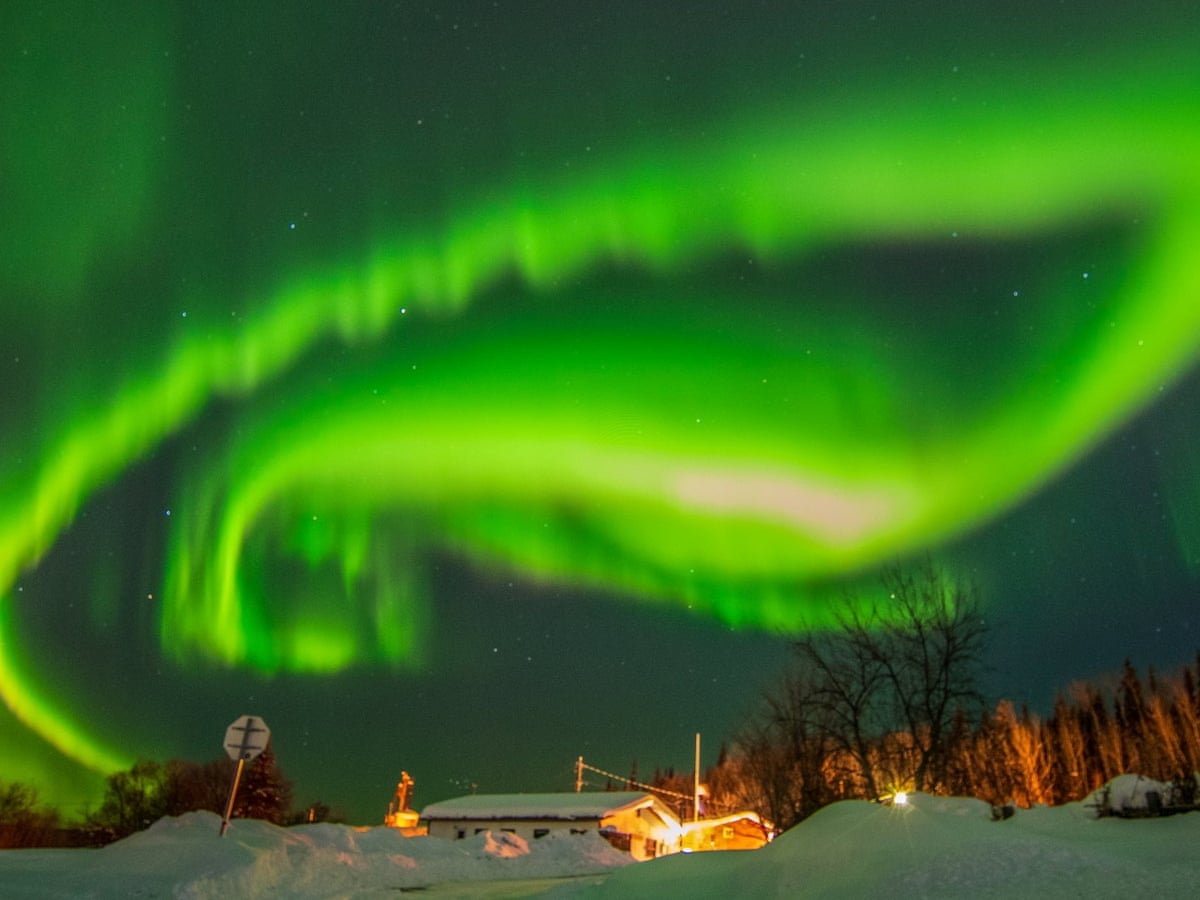
The collisions between the solar particles and atmospheric gases produce energy in the form of light, resulting in the vibrant colors of the auroras. Oxygen atoms, for instance, emit green and red light, while nitrogen molecules produce blue and purple hues. The result is the spectacular display known as Aurora Borealis Solar Storms.
Historical and Cultural Significance
Throughout history, the Aurora Borealis Solar Storms have captivated human imagination. Ancient cultures around the world developed myths and legends to explain these mysterious lights. The Vikings believed the auroras were reflections of the Valkyries’ armor, while Indigenous tribes in North America considered them to be the spirits of their ancestors.
In medieval Europe, the appearance of the Northern Lights was often seen as a portent of significant events. Today, while we understand the scientific basis of Aurora Borealis Solar Storms, the phenomenon continues to inspire awe and wonder.
The Mechanisms of Solar Storms
To fully appreciate the spectacle of Aurora Borealis Solar Storms, it’s essential to understand the nature of solar storms themselves. These storms are driven by the sun’s magnetic activity, which follows an 11-year cycle of solar maximum and minimum. During the solar maximum, the sun’s magnetic field is most active, leading to more frequent and intense solar storms.
Solar storms consist of three main components: solar flares, coronal mass ejections (CMEs), and high-speed solar wind streams. Solar flares are sudden bursts of radiation, while CMEs are massive clouds of solar plasma that can travel millions of miles per hour. When these elements of a solar storm collide with Earth’s magnetic field, they trigger the formation of Aurora Borealis Solar Storms.
Observing the Aurora Borealis Solar Storms
The best time to witness Aurora Borealis Solar Storms is during the winter months in the Northern Hemisphere, when the nights are longest and skies are darkest. Locations within the Arctic Circle, such as Norway, Sweden, Finland, and Canada, offer some of the most spectacular views.
For enthusiasts and photographers, planning an aurora-watching trip involves monitoring space weather forecasts. Websites and apps provide real-time data on solar storm activity and auroral predictions, helping observers increase their chances of witnessing Aurora Borealis Solar Storms.
The Impact on Modern Technology
While Aurora Borealis Solar Storms are visually stunning, they can also have significant impacts on modern technology. The charged particles from solar storms can disrupt satellite communications, navigation systems, and even power grids. For instance, a massive solar storm in 1989 caused a major power outage in Quebec, Canada.
As our reliance on technology grows, understanding and mitigating the effects of Aurora Borealis Solar Storms becomes increasingly important. Scientists and engineers continuously develop methods to protect our infrastructure from the potential disruptions caused by these solar events.
The Future of Aurora Borealis Research
Research into Aurora Borealis Solar Storms is an ongoing effort, combining observations from ground-based instruments, satellites, and space missions. By studying the interactions between solar particles and Earth’s magnetosphere, scientists aim to improve their ability to predict solar storms and their impacts.
Future missions, such as NASA’s Parker Solar Probe and the European Space Agency’s Solar Orbiter, are set to provide unprecedented insights into the behavior of the sun and the mechanisms driving Aurora Borealis Solar Storms. These missions will help us better understand the relationship between solar activity and our planet’s magnetic environment.
Experiencing the Aurora Borealis Solar Storms
For many, witnessing Aurora Borealis Solar Storms is a bucket-list experience. The opportunity to see the night sky light up with shifting colors and patterns is truly magical. Whether viewed from the comfort of a cozy lodge or during a thrilling Arctic expedition, the Northern Lights offer a glimpse into the dynamic interplay between our sun and planet.
Travel companies and tour operators now offer specialized trips aimed at maximizing the chances of seeing Aurora Borealis Solar Storms. These excursions often include guided tours, photography workshops, and educational lectures on the science behind the auroras, enriching the overall experience.
Conclusion: The Eternal Dance of Light
In conclusion, Aurora Borealis Solar Storms are a captivating natural phenomenon that continues to inspire and amaze people around the world. The interplay of solar winds and Earth’s magnetic field creates a spectacle of light and color that transcends scientific explanation and touches the realms of myth and wonder.
By studying Aurora Borealis Solar Storms, we not only gain a deeper understanding of our solar system but also learn to appreciate the delicate balance of forces that shape our planet. As we look to the future, the mystery and beauty of the Northern Lights will undoubtedly remain a source of fascination and exploration for generations to come.