


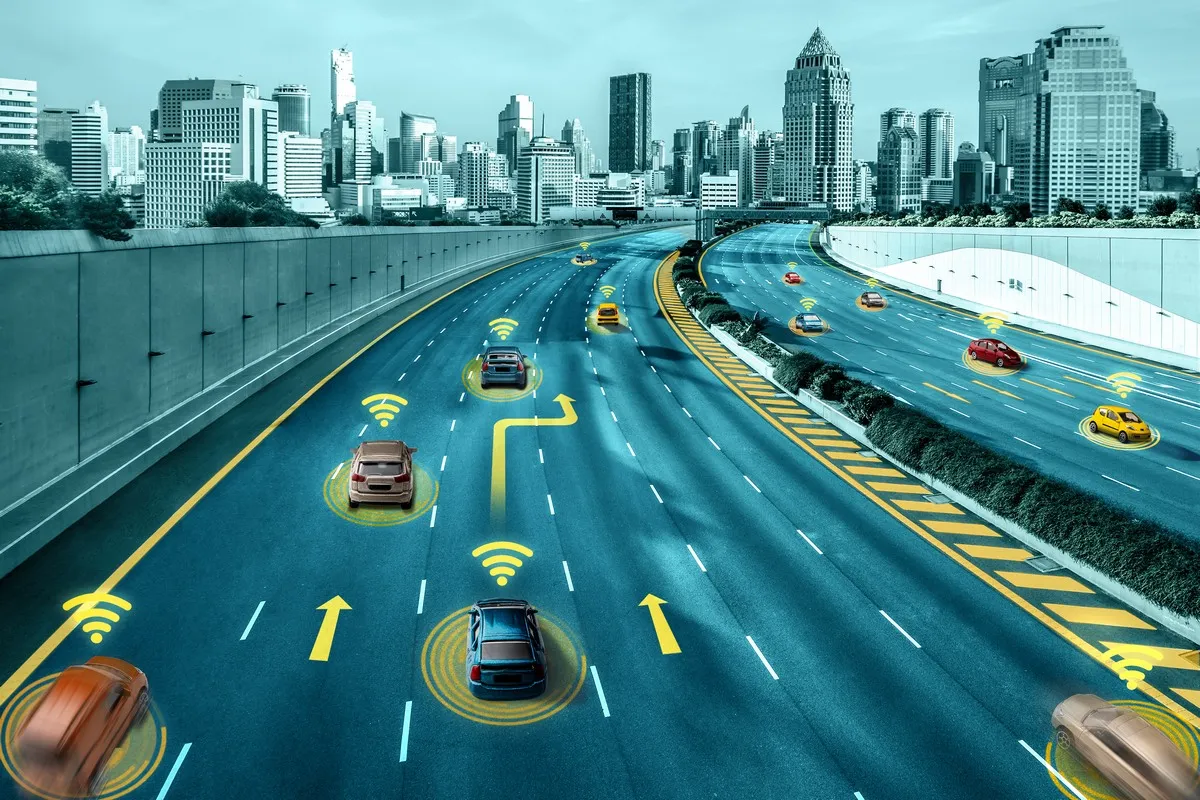
Smart mobility solutions are redefining how people move through cities, transforming daily commutes into more efficient, sustainable, and connected experiences. Across the globe, urban populations are expanding rapidly, and traditional transportation systems are struggling to keep up. Traffic congestion, pollution, and long travel times are no longer isolated problems—they are everyday realities.
A few years ago, I visited a metropolitan city that had introduced app-based public bike sharing, integrated metro cards, and real-time bus tracking. What impressed me most was not just the technology, but how seamlessly it worked together. That experience highlighted how Smart mobility solutions are not about one innovation, but about building an intelligent ecosystem.
From electric vehicles to AI-powered traffic management, the future of transportation depends on smarter, data-driven systems.
The Evolution of Smart Mobility Solutions
The concept of Smart mobility solutions began with digitizing public transport systems. Early improvements included electronic ticketing and GPS-enabled buses. Over time, urban planners realized that true efficiency required interconnected platforms.
Cities like Singapore and Amsterdam pioneered integrated mobility networks that combine cycling infrastructure, public transit, and digital traffic monitoring. These cities demonstrated how technology and infrastructure can work together.
Private companies also accelerated change. Platforms like Uber Technologies Inc. introduced app-based ride services that disrupted conventional transport models. Soon after, electric scooter startups and car-sharing programs expanded urban mobility options.
Today, Smart mobility solutions integrate vehicles, infrastructure, and user data into one intelligent system.
Core Technologies Behind Smart Mobility Solutions
Modern Smart mobility solutions rely heavily on artificial intelligence, Internet of Things devices, cloud computing, and 5G connectivity. Sensors embedded in roads and vehicles collect data about traffic patterns, weather conditions, and road safety.
AI algorithms analyze this information to optimize traffic signals and suggest alternate routes. Real-time updates reduce congestion and improve fuel efficiency.
Automakers such as Toyota Motor Corporation invest in connected vehicle ecosystems that communicate with smart city infrastructure. These systems allow vehicles to receive hazard alerts and navigation updates instantly.
Cloud platforms store and process large volumes of transportation data, enabling city planners to make informed decisions about infrastructure expansion and public transit planning.
Smart Mobility Solutions and Urban Sustainability
Sustainability is one of the strongest pillars of Smart mobility solutions. With transportation contributing significantly to global carbon emissions, cities are prioritizing cleaner alternatives.
Electric vehicle adoption plays a central role. Companies like Tesla, Inc. have accelerated public interest in electric mobility. Meanwhile, governments are expanding charging infrastructure to support this shift.
Public transport electrification is also gaining momentum. Electric buses and metro systems reduce urban pollution while maintaining high passenger capacity.
By integrating data-driven route optimization and eco-driving analytics, Smart mobility solutions reduce unnecessary fuel consumption and lower environmental impact.
Public Transportation Reinvented
Traditional public transport often struggles with unpredictability. Smart mobility solutions address this issue through real-time tracking and predictive scheduling.
Commuters can now check live bus locations and arrival times through mobile apps. This transparency reduces waiting time and enhances convenience.
Cities like London use contactless payment systems that integrate buses, trains, and trams under one unified ticketing platform. Such integration simplifies urban travel significantly.
When public transportation becomes reliable and accessible, more citizens choose it over private vehicles, reducing congestion overall.
Smart Mobility Solutions in Traffic Management
Traffic congestion costs billions annually in lost productivity and fuel waste. Smart mobility solutions tackle this challenge through intelligent traffic management systems.
Adaptive traffic signals adjust in real time based on vehicle flow. Cameras and sensors detect congestion and reroute traffic automatically.
In cities like Los Angeles, smart signal synchronization projects have already reduced travel time on major corridors.
Data collected from connected vehicles further enhances accuracy. Over time, machine learning models predict peak congestion hours, enabling proactive planning rather than reactive responses.
The Rise of Shared Mobility
Car ownership models are evolving. Smart mobility solutions encourage shared mobility services that reduce the number of vehicles on roads.
Car-sharing platforms, bike rentals, and scooter programs offer flexible alternatives to traditional ownership. This shift lowers parking demand and optimizes urban space usage.
Companies like Lyft Inc. are exploring multimodal integration, allowing users to plan trips combining ride-hailing with public transport.
Shared mobility not only improves efficiency but also fosters a cultural shift toward sustainable travel behavior.
Data Security and Ethical Considerations
While Smart mobility solutions offer immense benefits, they also raise concerns about data privacy and cybersecurity. Transportation systems rely heavily on user data, including location and travel habits.
Governments and private companies implement encryption protocols and regulatory frameworks to safeguard sensitive information.
Transparency builds trust. Clear communication about data usage policies ensures users understand how their information supports system improvements.
Responsible AI deployment remains crucial as mobility systems become increasingly automated.
Smart Mobility Solutions in Developing Economies
Emerging markets are rapidly embracing Smart mobility solutions to address growing urban challenges. Rapid population growth in cities demands innovative transport planning.
In countries like India, app-based transport services and digital payment integration are expanding quickly. Metro rail networks in major cities incorporate smart cards and QR-based ticketing.
Government-backed smart city initiatives promote integrated transport infrastructure supported by digital platforms.
Affordable technology and smartphone penetration make connected mobility accessible to broader populations.
Autonomous Vehicles and Future Integration
Autonomous driving technology represents the next frontier of Smart mobility solutions. Self-driving vehicles rely on AI, sensors, and real-time connectivity to navigate complex environments.
Companies like Waymo are conducting large-scale testing of driverless systems. These vehicles communicate with traffic signals and surrounding infrastructure.
When fully integrated, autonomous vehicles could reduce accidents caused by human error and optimize traffic flow.
However, widespread adoption requires regulatory clarity, public trust, and robust cybersecurity measures.
Real-Life Impact of Smart Mobility Solutions
A small logistics company owner once shared how integrated route optimization software transformed his operations. By analyzing traffic patterns and delivery windows, the system reduced fuel expenses and improved delivery punctuality.
On a personal level, commuters experience reduced stress when they can plan trips with accurate arrival estimates. Parents monitoring school bus routes through live tracking apps feel greater peace of mind.
These examples show how Smart mobility solutions directly impact daily lives, enhancing efficiency and reliability.
Economic Growth and Industry Collaboration
Smart mobility solutions drive economic growth by creating new industries and employment opportunities. Technology startups collaborate with automotive manufacturers and city governments.
Public-private partnerships accelerate infrastructure upgrades. Investment in smart transport networks attracts businesses seeking efficient logistics.
Automakers such as BMW are investing in mobility-as-a-service platforms, expanding beyond traditional vehicle sales.
As transportation evolves into a digital service ecosystem, innovation becomes continuous rather than occasional.
The Human-Centered Approach to Smart Mobility Solutions
Technology alone cannot solve urban mobility challenges. Successful Smart mobility solutions prioritize human needs and behavior.
User-friendly mobile apps, accessible infrastructure for elderly citizens, and inclusive design principles ensure equitable mobility access.
Community feedback plays a vital role in refining systems. Urban planners increasingly rely on public input to shape policies and infrastructure investments.
When citizens feel heard and supported, adoption rates increase significantly.
Future Outlook and Continuous Innovation
The future of Smart mobility solutions lies in deeper integration between vehicles, infrastructure, and artificial intelligence. 5G networks will enable near-instant communication between connected systems.
Electric mobility, autonomous driving, and smart traffic grids will merge into cohesive ecosystems. Real-time analytics will guide urban planning decisions more precisely than ever before.
Continuous research and global collaboration ensure that mobility systems evolve responsibly. As cities grow smarter, transportation must grow smarter too.
Smart mobility solutions represent not just technological advancement but a fundamental shift in how society approaches movement, sustainability, and urban living.
Read also: