


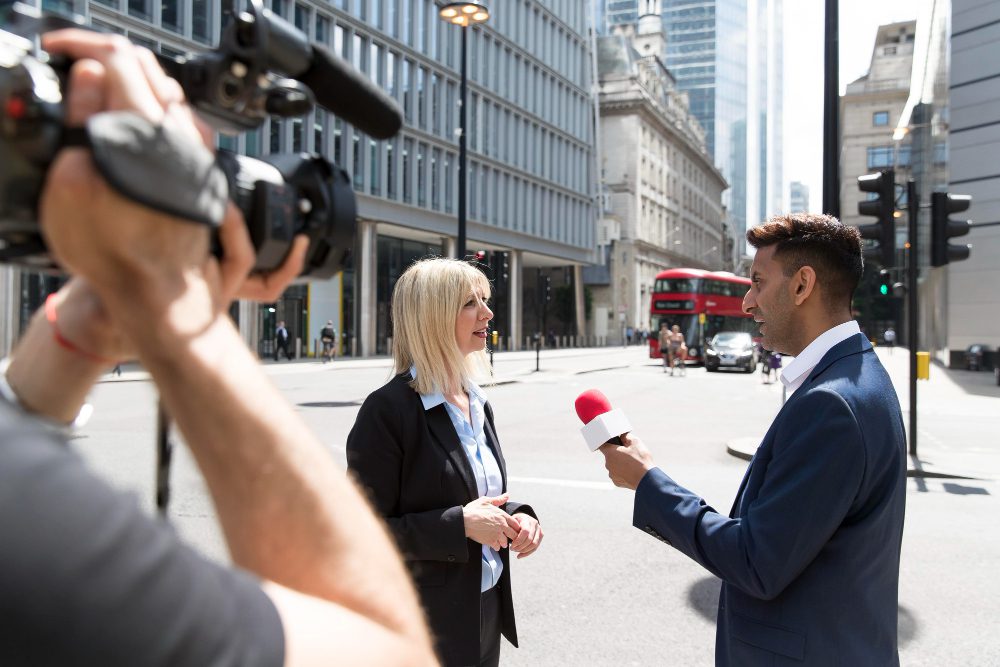
News Multimedia Reporting transforms raw facts into layered stories that inform, move, and hold institutions accountable. In today’s fragmented media landscape, combining audio, video, and text creates the depth and verification that single-format pieces often lack. For reporters and small teams, learning how to plan, capture, and publish well-coordinated multimedia packages is now essential to reach diverse audiences and to produce evidence-backed journalism readers can trust.
A few years ago I worked on a neighborhood series where we covered housing issues with a phone, a recorder, and a basic camera. That project taught me how News Multimedia Reporting lets audio capture voices, video show conditions, and text supply the documents and context that make claims provable. The community responded because they could both hear residents and see the places described — and read the linked records.
Why News Multimedia Reporting Changes the Game
Good journalism begins with verification, sourcing, and fairness, but it no longer ends at a single byline. News Multimedia Reporting expands the toolkit: audio reveals tone and lived experience, video provides visual evidence, and text supplies sources, timelines, and nuance. Together, these elements make stories more complete and harder to dismiss.
Audiences now expect multimedia packages. Podcasts draw in listeners on commutes, short-form videos reach younger viewers on social apps, and longform text remains the reference that archives research. When reporters plan their coverage around News Multimedia Reporting, they create multiple access points to the same truth.
News Multimedia Reporting: Planning and Story Design
Start with story design: decide what each medium will deliver. In planning, map the exclusive role of audio, video, and text. Ask: which quotes demand voice? Which scenes need to be shown rather than described? What documents belong in the article to verify claims? By assigning distinct functions, you avoid redundancy and create a cohesive package.
For investigative pieces, the text should act as the spine — presenting the timeline, sources, and evidence — while audio offers human testimony and video shows the physical context. This editorial architecture is central to effective News Multimedia Reporting and shapes production workflows from day one.
Recording Audio That Matters
Audio is uniquely intimate. In News Multimedia Reporting, prioritize clear audio capture: use lavaliers for interviews and a handheld for vox pops. Ambient sound — city traffic, the creak of a door, or water dripping in a contaminated well — adds texture that situates listeners in the scene.
Record backups and capture natural room tone. Transcribe audio early; transcripts accelerate text drafts and improve accessibility. When edited fairly, audio can carry the emotional core of a story and make quoted sources feel present to the audience.
Video: Visual Proof and Context
Video verifies and persuades. For every claim, try to capture at least one visual element that supports it: contract pages, a troublesome intersection, or a production site. B-roll — the supplementary footage that shows location and activity — is the raw material for quick social clips and for the full video narrative.
A steady camera, good framing, and intentional composition matter even when shooting with a smartphone. In News Multimedia Reporting, shot selection and editing shape whether evidence reads as credible or casual. Shoot wide to establish place, medium to show interaction, and close-up to highlight details.
Text: The Verification Engine
Text is where verification happens. A well-structured article that accompanies multimedia must present sourcing, links to documents, and methodology. For News Multimedia Reporting, provide timestamps and embedded clips so readers can jump to exact moments in the audio or video supporting specific claims.
Supplement articles with primary documents, such as PDFs of reports or email chains. Transparency about methods—how interviews were conducted, how data was corroborated—builds trust and protects the newsroom if disputes arise.
Integrating Formats Seamlessly
Integration is both technical and editorial. Embed audio excerpts within your story, inline relevant video clips, and include transcripts for accessibility. Cross-promote: social video teasers should link to the full article and podcast episode so audiences can graduate from a short clip to the deeper package.
A practical integration strategy helps audiences choose how deep they want to go: an attention-grabbing video hook for casual viewers, an audio segment for listeners who want nuance, and a longform text account for readers seeking full documentation.
Workflow for News Multimedia Reporting Teams
Effective News Multimedia Reporting needs a repeatable workflow. Start with pre-production: research, source lists, permissions, and equipment checks. During production, capture high-quality audio and multiple visual angles; always secure original files and log metadata. In post-production, transcribe, edit, and annotate source materials. Finally, publish with platform-appropriate edits and a distribution plan.
Label files clearly and maintain a shared asset log so teammates can find raw footage and transcripts quickly. This organization speeds verification and reduces the risk of publishing errors.
Ethics, Consent, and Sensitivity
Multimedia heightens ethical responsibilities. Video and audio can put people at risk if released without consent. Always explain how material will be used and obtain clear permission, whether on the record or off. When reporting sensitive situations, weigh public interest against potential harm and anonymize sources where necessary.
When editing, avoid rearrangements that change meaning. For credible News Multimedia Reporting, retain context and avoid cuts that fabricate intent.
Verification Practices for Multimedia
Verification is non-negotiable. Preserve original files and log metadata such as time, date, and GPS when available. Cross-check images and video for manipulation and use verification tools to confirm geolocation. When dealing with user-generated content, corroborate with independent sources and seek provenance.
Data and documents should be made available whenever possible. Linking to source documents strengthens your claims and allows competitors and readers to assess your work.
Accessibility and Inclusion
Accessibility is essential. For News Multimedia Reporting, provide accurate captions for video, full transcripts for audio, and alt text for images. Use clear language and include summaries for long packages. Accessible reporting not only expands reach but also reinforces ethical standards.
Platform-Specific Strategies
Distribute intelligently. Short vertical videos thrive on social platforms and can act as entry points to the full story. Longform podcasts are suitable for deep context and personal testimony. Web articles should embed multimedia and use SEO best practices to increase discoverability.
Tailoring content to platform behavior maximizes impact: use subtitles on social videos, write compelling hooks for podcast directories, and include shareable quote cards for social amplification.
Audience Engagement and Sourcing Leads
Multimedia opens channels for engagement. Invite listeners and viewers to share tips, upload photos, or submit voice notes. Treat these contributions as leads and verify them. Community participation in News Multimedia Reporting can surface local evidence and expose patterns that a single reporter might miss.
Engage with feedback and correct swiftly when errors are identified. Openness builds credibility and a loyal audience base.
Measuring Impact Beyond Views
Measure impact by looking beyond raw impressions. Track completion rates for videos and listen-through rates for audio, but also monitor outcomes: follow-ups by authorities, policy changes, or community mobilization. For News Multimedia Reporting, the real metric is whether reporting leads to verifiable change or public understanding.
Qualitative feedback—reader messages, social conversations, and expert endorsements—also indicates resonance and influence.
Tools, Kits, and Tech Stack
A practical mobile kit supports nimble News Multimedia Reporting: a reliable portable recorder, a shotgun mic, a lavalier, a tripod, and a smartphone with stabilization. Use cloud-based collaboration tools for file sharing and simple editors that can produce both quick social edits and polished longform pieces.
Invest in transcription tools and verification software to speed turnaround and improve accuracy. Lightweight, high-quality tools lower the barrier for small teams to produce professional multimedia.
Training and Capacity Building
Newsrooms should train reporters in audio capture, video basics, and ethical multimedia editing. Cross-training creates flexibility and allows small teams to produce rich packages. Mentorship from experienced producers accelerates skill acquisition and helps embed best practices for News Multimedia Reporting across the staff.
Workshops, cheat sheets, and quick-reference production templates turn ad-hoc efforts into repeatable outputs.
Legal Considerations and Archival Practices
Understand local laws about recording consent and public space. Keep permissions, release forms, and raw files archived. Good archival practices protect the newsroom in legal disputes and preserve the raw evidence underpinning stories. For long investigations, proper archiving becomes part of the verification chain.
Case Study: How Multimedia Drove Local Accountability
A regional team investigated unsafe landfill practices. They recorded residents’ testimonies, filmed runoff and aerial shots, and obtained inspection reports. The team published a short documentary clip to prompt attention, a podcast episode with extended interviews, and a detailed article linking lab tests and official documents. The multimedia package led to an inspection by authorities and a public commitment to remediation.
This case shows how News Multimedia Reporting combines emotional testimony with verifiable documents to pressure institutions and catalyze action.
Future of News Multimedia Reporting
The future will bring more immersive formats and faster verification tools. Interactive timelines, AI-assisted transcription, and richer data visualizations will become standard. Yet core journalistic principles will remain unchanged: accuracy, fairness, transparency, and careful sourcing. The challenge and opportunity for reporters is to adapt tools while maintaining those principles.
Read also:
paarl royals vs joburg super kings
new zealand national cricket team vs pakistan national cricket team match scorecard
argentina national football team vs colombia national football team lineups
portugal national football team vs spain national football team lineups
brazil national football team vs paraguay national football team timeline
uruguay national football team vs venezuela national football team lineups
argentina national football team vs chile national football team lineups