

Some of the most memorable mountain experiences in Nepal do not require weeks of preparation or a serious commitment to altitude. Kathmandu Nagarkot Trekking is a short, accessible route that leads you out of the capital’s busy streets and up onto the green rim of the valley, where forests, farming villages, and a wide Himalayan panorama wait. It is a favorite among first-time visitors, families, and travelers with limited time who still want to feel the rhythm of a real trek.

Overview of Kathmandu Nagarkot Trekking
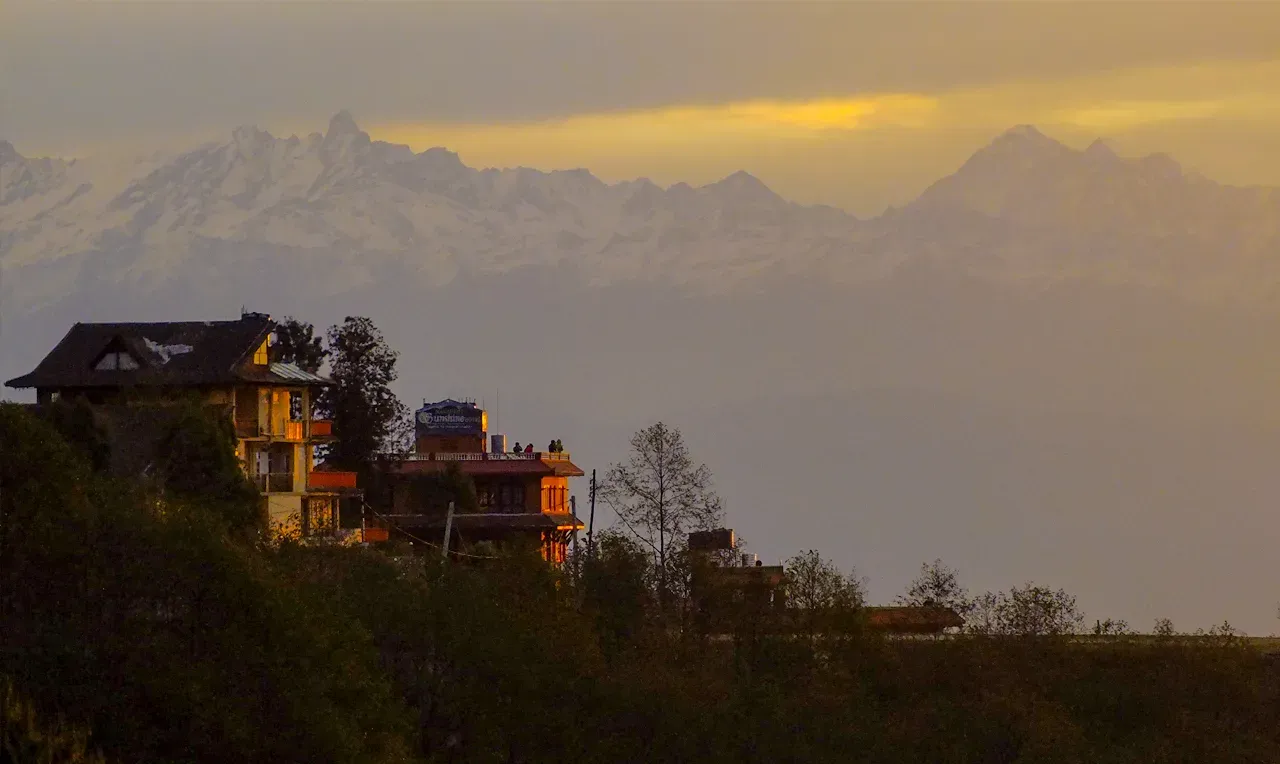
Nagarkot sits on a ridge about 32 kilometers east of Kathmandu, at roughly 2,175 meters. It is best known for its sunrise and sunset views, which stretch across a long line of snow peaks including Langtang Lirung, Ganesh Himal, Dorje Lakpa, Jugal Himal, and, on the clearest days, Mount Everest far in the distance.
There are several ways to walk to Nagarkot. Most trekkers choose one of the following:
-
Sundarijal to Chisapani to Nagarkot, a two- to three-day route through Shivapuri Nagarjun National Park
-
Bhaktapur to Changunarayan to Nagarkot, a shorter cultural walk of one day
-
Kathmandu to Nagarkot with a direct drive and local hikes, ideal if time is very limited
The most popular option is the first, which is typically completed in two to four days depending on pace and how much exploring you want to do. Altitude gain is gentle, the trails are well defined, and villages along the way provide tea, meals, and lodging.
Why Choose This Trek?
Close to the capital. You can start walking within an hour of leaving your hotel in Kathmandu. There are no flights, long drives, or complicated logistics, which makes the trek easy to fit into a short itinerary.
Reliable mountain views. In autumn and winter, sunrise from Nagarkot is often spectacular. The peaks appear pink, then gold, as the sun rises behind the ridge. Many travelers say that first glimpse of the Himalaya is the highlight of their trip.
Low altitude, low stress. With a maximum elevation just over 2,200 meters, altitude sickness is rarely a concern. That makes the trek suitable for beginners, children, and older travelers.
Culture along the trail. The route passes Tamang, Newar, and Brahmin villages where traditional farming, stone houses, and small temples still shape daily life. In the Bhaktapur variation, you also see one of Nepal’s best-preserved medieval cities.
Nature close to the city. Oak, pine, and rhododendron forests shelter monkeys, deer, and a wide range of birds, which makes the walk peaceful and rewarding for nature lovers.
Detailed Route Options
Route 1: Sundarijal, Chisapani, and Nagarkot
Day 1: Kathmandu to Sundarijal and Chisapani. After a short drive to Sundarijal, you climb stone steps beside a water reservoir and enter the national park. The trail rises through shady forest, passing streams and small villages such as Mulkharka before reaching Chisapani. Walking time is around five to six hours. Evening views from the ridge are a good reward.
Day 2: Chisapani to Nagarkot. After watching sunrise, you descend through forest and continue along ridges and terraced fields. The route passes small settlements and tea stops before climbing gently to Nagarkot. This is the longest day, about six to seven hours of walking.
Day 3: Nagarkot sunrise and return. Wake before dawn for the sunrise, then head back to Kathmandu by road, often with a stop in Bhaktapur or Changunarayan.
Route 2: Bhaktapur to Changunarayan to Nagarkot
This shorter option suits travelers who prefer culture with a little trekking. From Bhaktapur you walk up to Changunarayan, a hilltop temple complex that dates back many centuries, then continue along a quiet trail to Nagarkot. The walk takes about four to six hours and combines temples, farmland, and forest views.
Best Time for Kathmandu Nagarkot Trekking
The trek is possible most of the year, but visibility depends heavily on the season.
-
Autumn (September to November): The best season, with clear skies, mild temperatures, and sharp mountain views.
-
Winter (December to February): Cold mornings, but often crisp air and excellent visibility. Warm layers are important.
-
Spring (March to May): Pleasant temperatures and blooming rhododendrons, though haze can soften distant views.
-
Monsoon (June to August): Wet trails, leeches, and heavy cloud make it a less rewarding time, although the countryside is lush.
If your main goal is the sunrise panorama, plan for October, November, or the clear days of winter.
Difficulty and Fitness
Kathmandu Nagarkot Trekking is graded easy to moderate. Daily walking time is four to seven hours, with some steep sections on stone steps and forest paths, but no technical terrain and no high passes.
You do not need special training, but regular walking or light hiking for a few weeks beforehand will help. Wear comfortable, broken-in footwear, carry a light daypack, and take breaks when needed. Trekking poles are useful on steep descents.
Accommodation and Food
Lodges and teahouses are available in Chisapani and Nagarkot, ranging from simple rooms with shared bathrooms to comfortable hotels and resorts with hot showers and mountain-view terraces. Homestays are also possible in some villages.
Meals are typical of Nepali trekking: dal bhat, noodles, fried rice, momos, soups, and pancakes, with vegetarian options widely available. Drink boiled, filtered, or purified water, and bring a refillable bottle to cut down on plastic waste.
Permits and Costs
Permits are straightforward. On the Sundarijal route you need a Shivapuri Nagarjun National Park entry ticket, purchased at the gate. Depending on current rules, a TIMS card may also be requested. Bhaktapur and Changunarayan charge cultural heritage entry fees for foreign visitors.
Independent trekking is possible, but hiring a guide or porter helps with navigation, adds cultural insight, and supports local employment. Costs are modest compared with major Himalayan treks. Because fees and regulations can change, confirm the latest details with a licensed agency or the park office.
What to Pack
-
Broken-in trekking shoes or boots
-
Layers, including fleece and a windproof jacket
-
Light rain jacket or poncho
-
Sun hat, sunglasses, and sunscreen
-
Daypack, refillable bottle, and purification tablets
-
Headlamp and a small first-aid kit
-
Camera, power bank, and some cash
Nagarkot mornings can be very cold, especially in winter, so a warm hat and gloves are worth carrying.
Tips for a Better Experience
-
Start early. Morning light gives the clearest views and cooler walking conditions.
-
Stay overnight. Sunrise is the main event, so a night in Nagarkot is worth it.
-
Check the weather. Clear mornings often turn hazy by midday, so be flexible with timing.
-
Respect local customs. Ask before taking photographs, remove shoes in temples and homes, and dress modestly.
-
Support local businesses. Choose family-run lodges and buy snacks and crafts from village shops.
-
Add Bhaktapur. A visit to its temples and pottery squares adds cultural depth to the trek.
Responsible Trekking
The hills around Kathmandu see heavy use, and forests and water sources are under pressure. Stay on marked trails, avoid feeding monkeys, and carry out all non-biodegradable waste. Choose lodges that manage rubbish and firewood responsibly, and treat guides and porters fairly, with proper clothing, insurance, and reasonable loads.
Conclusion
Kathmandu Nagarkot Trekking shows that a rewarding Himalayan journey can be simple, affordable, and close to the city. Within a few days you can walk through peaceful forests, pass traditional villages, and watch the sun rise over a long line of snow peaks, all without the challenges of high altitude or remote logistics. It is a gentle introduction to trekking in Nepal and a memorable escape from the pace of the capital.
Whether you are a first-time trekker, a family with children, or a traveler with only a few days to spare, this route delivers beautiful scenery, cultural depth, and warm hospitality. Pack lightly, walk respectfully, and let the sunrise from Nagarkot remind you why so many visitors fall in love with the mountains of Nepal.