


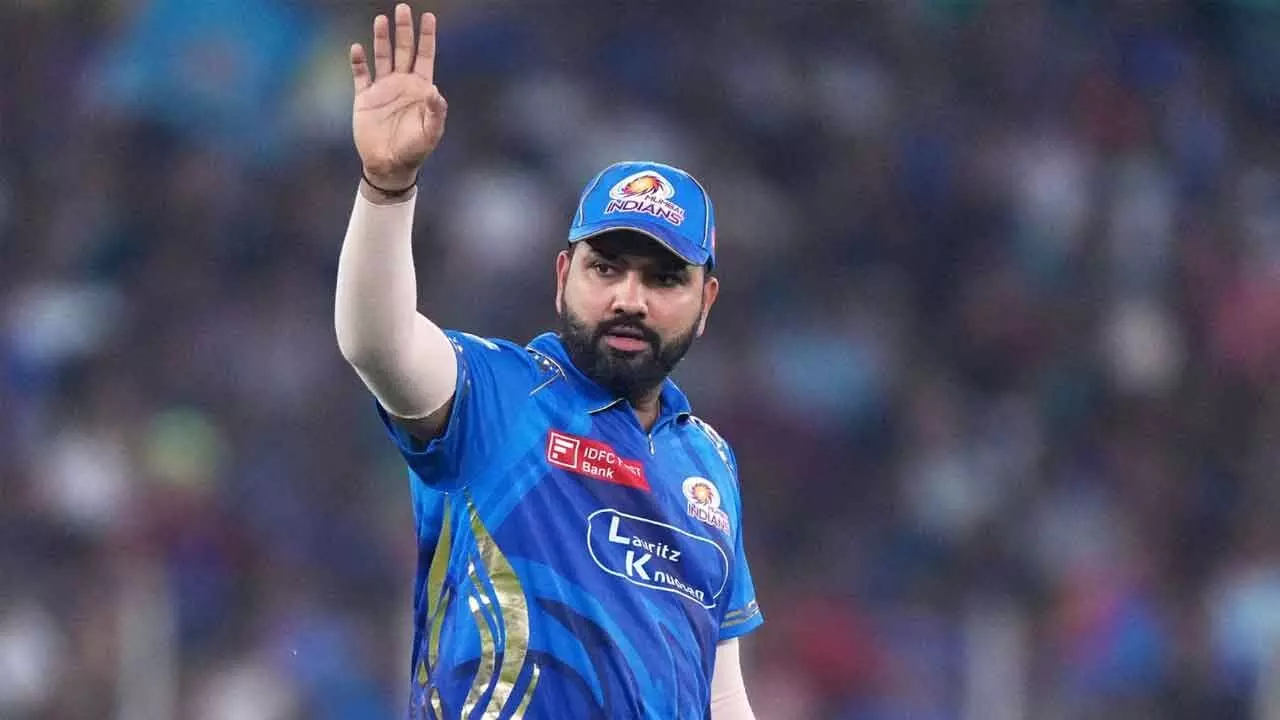
Cricket Captaincy Mindset is not just about tossing the coin, setting the field, or giving pep talks before the first ball is bowled. It is a psychological foundation that allows a leader to stay composed, read the game deeper than anyone else, and act with conviction when every spectator expects a miracle. Because, when the game enters that unpredictable final phase, the right mental approach is often more valuable than the best strategy drawn on paper.
A captain isn’t merely a decision-maker, but a tone-setter. The body language, confidence, and clarity under pressure silently communicate strength to the rest of the team. When players see their leader thinking proactively instead of reacting emotionally, they perform with a different level of belief. Whether it is protecting a low total or chasing a massive score, mindset becomes momentum.
Understanding the Depth of Cricket Captaincy Mindset
A true captain must absorb pressure instead of transmitting it. This ability separates ordinary leaders from iconic ones. Even the greatest bowlers or finishers sometimes hesitate when the scoreboard turns into a countdown of nerves. But a captain with composure becomes an emotional anchor, guiding others through mental turbulence. (Cricket Captaincy Mindset)
The mindset matter most in games where momentum swings constantly. There are moments when everything seems lost, yet a tactical switch suddenly changes the tone of the match. Think of Dhoni’s calm field settings in death overs, or Ben Stokes’ refusal to panic in a tight chase — these examples come from presence of mind, not pre-match planning. (Cricket Captaincy Mindset)
The heart of leadership lies in reading not only conditions, but people — knowing who needs reassurance, who thrives under risk, and who blossoms when trusted with responsibility.
Cricket Captaincy Mindset in High-Pressure Overs
When overs shrink and pressure grows, the dressing room mood shifts. The crowd volume increases, but the possible options reduce. This is the stage where intuition becomes a practical skill. A mindset rooted in clarity helps a captain judge whether to attack or absorb pressure, when to rotate bowlers, and when to gamble on an unexpected move.
Tough overs are never about magic decisions; they are about conviction. A captain who doubts himself leaks uncertainty into the field. Conversely, when the leader signals confidence, bowlers begin to hit the right spots, fielders react quicker, and batters sense a plan in motion. (Cricket Captaincy Mindset)
This is why great captains do not rely only on instinct — they sharpen it with experience. They learn from setbacks as much as victories, and they treat mistakes as lessons rather than embarrassment.
Emotional Control as the Leader’s Real Advantage
The toughest situations in cricket are often psychological, not tactical. A captain who loses temper spreads panic across eleven players. One forced decision can ripple into a collapse. Yet a leader who remains inwardly balanced keeps the team mentally alive even when the scoreboard is tight. (Cricket Captaincy Mindset)
Great captains are not louder; they are clearer. They know when to speak and when silence becomes the most powerful voice in the huddle. They trust their preparation and protect their players’ belief when outsiders doubt them.
This emotional balance converts pressure into opportunity. Fans see miracles, but captains see calm repetition of clarity inside chaos.
Strategic Boldness When Everything Is on the Line
Courage in leadership isn’t about random risks. It is the ability to make a tough call before it becomes obvious. Pinch hitters in surprise phases, unorthodox field placements, or backing an inexperienced bowler over a veteran — these choices come from a sharpened inner lens, not impulse. (Cricket Captaincy Mindset)
Boldness with purpose earns respect. The team follows a captain who dares intelligently, not recklessly. That is how legends are written, not by numbers alone, but by the courage to decide when everyone else hesitates.
When Leadership Turns a Crisis into Momentum
The defining beauty of captaincy is that it influences the game without a bat or ball. When a captain steadies morale, the entire rhythm of the match shifts. The scoreboard may not show it instantly, but the energy on the field changes. Opponents sense resistance. Teammates sense purpose.
Leadership in cricket is invisible until the final scoreboard reveals its worth.
A great Cricket Captaincy Mindset doesn’t emerge in easy overs — it is forged in the uncomfortable ones, while eyes are watching, doubt is growing, and time is shrinking.
Read also:
south africa national cricket team vs pakistan national cricket team match scorecard
sri lanka national cricket team vs new zealand national cricket team match scorecard
australian men’s cricket team vs england cricket team match scorecard
pakistan national cricket team vs new zealand national cricket team match scorecard
matco tool franchise
who owns matco tools
kfc franchise cost