

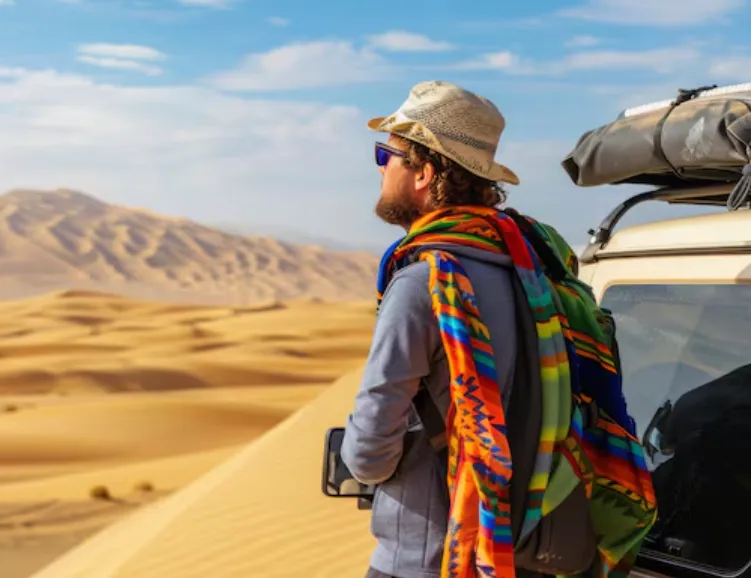
Not every trip suits every traveler, and a Sahara crossing is no exception. Long drives, mountain passes and a night in the desert ask something different of you than a week by the pool. Before booking one of the many Marrakech to Fes desert tours on offer, it helps to know honestly what the days will demand, and how to choose an operator whose version of authentic Morocco tours matches your comfort level. This guide walks through fitness, pace and practical readiness, alongside what to expect from Morocco desert tours in general.
How Physically Demanding Is the Trip?
The good news: this is not a hiking expedition. Most days involve sitting in a vehicle, walking short distances at stops, and a camel ride that requires no particular fitness.
-
Driving days: Long, sometimes six to eight hours including stops, over winding mountain roads. Motion sensitivity can be a factor on the Tizi n’Tichka Pass.
-
Walking at sites: Moderate. Aït Benhaddou involves uneven cobbled paths and some stairs. Todra Gorge offers flat and gently sloped walking.
-
The camel trek: About an hour in the saddle, suitable for most ages and fitness levels, though those with back or hip issues should mention this when booking.
-
The desert camp: Walking on soft sand, which can be tiring for those with mobility limitations.
If you have specific physical concerns, tell your operator in advance. Many can adjust vehicles, seating or walking distances.
What Level of Comfort Should You Expect?
Comfort varies by choice, not by the route itself.
-
Traditional camps: Simple tents, shared bathrooms, an Authentic Morocco Tours but basic setup.
-
Comfort camps: Private bathrooms, proper beds and better bedding.
-
Luxury camps: Spacious suites, heating in winter, air conditioning in summer and refined dining.
The same range applies to guesthouses along the way. A family-run kasbah in the Dades Valley might offer simple, warm hospitality, while a boutique riad in Fes can feel considerably more polished.
Who This Trip Suits Well
-
First-time visitors wanting an efficient overview of Morocco’s variety
-
Couples and honeymooners, especially with a private tour and a comfort or luxury camp
-
Photographers, who benefit from sunrise and sunset light in the dunes
-
Culturally curious travelers who enjoy history, architecture and craft traditions
-
Families with older children, when paced over four days rather than three
Who Might Want to Adjust the Plan
-
Travelers with limited mobility may prefer a shorter version with fewer walking stops, or should discuss vehicle and camp accessibility directly with the operator.
-
Those prone to motion sickness should ask about seating position and consider medication for the mountain passes.
-
Travelers with very limited time might choose a 2-day Zagora desert trip instead of the full Marrakech to Fes crossing.
-
People sensitive to cold should avoid winter unless the camp offers reliable heating, since desert nights can approach freezing.
The Route, for Reference
Day 1: Marrakech to the Dades Valley. Cross the High Atlas, visit Aït Benhaddou, continue through Ouarzazate.
Day 2: Todra Gorge to Merzouga. Walk the gorge, then ride a camel into the Erg Chebbi dunes for a night in camp.
Day 3: Sunrise and the Road to Fes. Watch the sunrise, then travel through the Ziz Valley and Middle Atlas, passing Ifrane and Azrou, to reach Fes.
A four-day version, with an extra night in Ouarzazate or the Draa Valley, eases the pace considerably and suits travelers who prefer shorter driving days.
What Makes This an Authentic Morocco Tour
Comfort and Authentic Morocco Tours are not opposites. Look for:
-
Local guides and drivers who share personal stories rather than scripts
-
Family-run riads, kasbahs and camps that keep income in local communities
-
Hands-on experiences, such as bread baking, tagine cooking or a cooperative visit
-
Small groups or private travel, which allow flexible pacing suited to your needs
-
Responsible practices, including fair wages and respect for local customs
A good operator will happily adjust pacing, walking distances or camp type to match your comfort level while still delivering these elements.
Choosing Among Morocco Desert Tours
-
Be specific about your needs when requesting a quote, including fitness, mobility or comfort preferences.
-
Ask about vehicle type and seating, especially for long mountain drives.
-
Confirm camp accessibility, since soft sand and unlit paths can be challenging at night.
-
Check group size, since private tours allow more flexible pacing.
-
Read reviews from travelers with similar needs where possible.
Best Time to Go, with Comfort in Mind
-
Spring (March to May): Mild days and nights. A comfortable choice for most travelers.
-
Autumn (September to November): Clear skies and pleasant temperatures.
-
Winter (December to February): Cold desert nights, so confirm heating if this concerns you.
-
Summer (June to August): Intense heat, which can be demanding for those sensitive to high temperatures.
Practical Tips
Pack a light scarf, sunglasses, sunscreen, sturdy shoes and a warm jacket for the evening, plus any personal medication and a small first-aid kit. A power bank is useful, since charging in camp is limited. Take a small daypack to the dunes and leave your main luggage in the vehicle.
Conclusion
Marrakech to Fes desert tours are accessible to a wide range of travelers, but a little honesty about fitness, comfort preferences and pacing goes a long way toward choosing the right version. When local guides, family-run stays and thoughtful pacing come together, the trip becomes a genuinely authentic Morocco tour, and one of the most rewarding Morocco desert tours you can take.
Talk openly with your operator about what you need, choose accommodation and pacing that suit you, and the Sahara crossing will feel less like an endurance test and more like the adventure it is meant to be.