

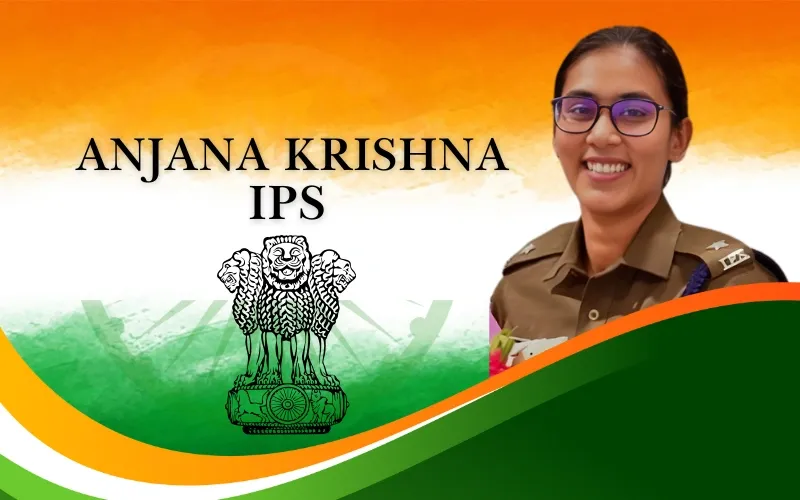
The Indian Police Service is an important part of India’s public safety and administrative system. officersdetails.com shares useful information about IPS officers, their careers, professional responsibilities, ranks, postings, training, achievements, and different areas of police administration.
Understanding The IPS Profession
The Indian Police Service, commonly known as IPS, is one of the All India Services in India.
IPS officers work in areas connected with policing, public order, investigation, security, intelligence, administration, and leadership.
Their professional responsibilities can change considerably throughout their careers.
An officer might begin with a field-oriented assignment and later move into a senior administrative or specialized position.
The work also depends on the state cadre, department, rank, posting, and current government requirements.
This makes it difficult to describe every IPS officer’s daily routine in exactly the same way.
Some officers may spend considerable time supervising field operations, while others may focus more heavily on administration, policy, personnel, or specialized police functions.
Selection Requires Serious Preparation
The Civil Services Examination conducted by the Union Public Service Commission is the principal recruitment route for the IPS.
Candidates have to successfully navigate different stages of the examination before service allocation becomes possible.
The preliminary examination tests broad areas of knowledge and understanding.
Candidates who qualify move toward the main examination and personality test according to the applicable examination rules.
Final service allocation depends on several factors, including merit, service preferences, vacancies, category provisions, medical requirements, and other government regulations.
This makes the selection process highly competitive.
Aspirants should avoid relying only on coaching material or informal advice when understanding eligibility and examination rules.
Current official notifications remain the most dependable source for specific examination requirements.
Training Shapes New Officers
Professional training gives selected officers an introduction to the practical responsibilities of police service.
Training can include subjects related to law, investigation, public order, police administration, leadership, communication, physical fitness, technology, and operational procedures.
The practical side of training is particularly important.
Police officers can face situations where decisions have to be made quickly while considering legal requirements and public safety.
Training helps officers understand how police organizations function and how different units coordinate with one another.
It also develops professional discipline and introduces officers to the responsibilities associated with command.
Training arrangements can change over time, so readers interested in specific current programs should verify details through official sources.
Police Ranks Have Different Roles
The police hierarchy contains several ranks, and each position can carry a different level of responsibility.
Common IPS-related ranks include Assistant Superintendent of Police, Superintendent of Police, Deputy Inspector General, Inspector General, Additional Director General, and Director General.
The exact duties depend on the assignment attached to the position.
A Superintendent of Police may handle district-level responsibilities, while a senior officer could oversee a range, department, specialized unit, or broader police organization.
Rank provides an indication of seniority, but it does not explain the complete nature of an officer’s work.
The department, geographical area, operational requirements, and administrative responsibilities all influence the role.
This is important when reading officer profiles because two officers with similar ranks may still have very different professional duties.
District Policing Is Demanding
District-level police administration involves many responsibilities that directly affect local communities.
Depending on the position, an officer may supervise police stations, monitor crime trends, review investigations, manage public order arrangements, and coordinate emergency responses.
The officer may also work closely with district administration and other government departments.
Serious incidents can require immediate decisions and large deployments of police personnel.
At the same time, routine administrative matters cannot simply be ignored.
Records, reports, personnel management, resource planning, and communication all contribute to effective policing.
District policing therefore combines field responsibility with administrative decision-making.
Experience gained through such assignments can become valuable when officers later receive broader responsibilities.
Public Order Needs Planning
Public order management is one of the areas where preparation can make a major difference.
Large gatherings, festivals, demonstrations, sporting events, political programs, and public celebrations may require additional police arrangements.
Officers may need to assess possible risks and organize personnel accordingly.
Traffic management, emergency response, communication systems, and coordination with other departments can also become part of the planning process.
Unexpected developments can still occur despite careful preparation.
Police teams therefore need clear instructions and enough flexibility to respond when circumstances change.
The objective remains maintaining public safety while ensuring that lawful public activities can continue appropriately.
Good planning can reduce confusion and help personnel respond more effectively.
Investigation Needs Careful Oversight
Investigation is another important area within police work.
Senior officers may supervise investigations involving serious offenses and monitor whether teams are following appropriate procedures.
Evidence can come in many forms depending on the case.
Investigators may work with witness statements, documents, forensic material, financial records, digital evidence, and other information.
Modern cases can become especially complicated when evidence is spread across different systems or locations.
Cybercrime has increased the importance of digital investigation skills.
IPS officers may coordinate with cybercrime specialists, forensic teams, financial investigators, and other experts when required.
Effective supervision helps ensure that investigative work remains organized and that important procedural requirements receive proper attention.
Technology Supports Police Operations
Technology has become an important part of modern policing.
Police organizations can use digital systems for record management, communication, information analysis, investigation, forensic work, and emergency coordination.
Technology can also help officers identify patterns in crime data and manage large amounts of information.
However, technology has created new challenges as well.
Criminals can use online platforms, digital payments, communication applications, and other systems to conduct illegal activities.
Cybercrime cases may require knowledge that traditional investigation methods cannot provide by themselves.
Specialized technical teams can assist with complex digital matters.
Senior police officers increasingly need to understand the capabilities and limitations of technology so that they can coordinate these resources effectively.
Central Assignments Expand Experience
Some IPS officers receive opportunities to work with central government organizations or specialized agencies.
Such assignments can expose officers to areas including intelligence, investigation, security, training, administration, and other specialized responsibilities.
The availability of these assignments depends on government requirements, service rules, vacancies, eligibility, and other administrative considerations.
Central assignments may involve working across multiple states or coordinating with different government organizations.
This can provide professional exposure beyond ordinary district-level policing.
However, career paths differ among officers.
Receiving a particular central assignment is not guaranteed for every officer, and professional movement depends on several factors.
Leadership Goes Beyond Authority
Police leadership involves managing people, resources, information, and difficult situations.
An officer may have authority because of their position, but effective leadership requires more than simply issuing instructions.
Clear communication helps personnel understand priorities and responsibilities.
Fair treatment can also influence morale within a police organization.
Senior officers may need to review performance, address internal problems, delegate tasks, and take responsibility for important decisions.
During emergencies, teams often look toward senior officers for direction.
A leader therefore needs to remain composed while considering available information and applicable rules.
Good judgment becomes especially valuable when situations are changing quickly.
Communication Builds Better Cooperation
Communication is part of almost every police responsibility.
Officers interact with citizens, police personnel, government officials, community groups, emergency services, and other organizations.
Each group may require information to be explained in a different practical context.
Citizens may approach police during stressful situations and may not understand legal or administrative procedures.
Listening carefully can help officers understand the actual concern before deciding how it should be handled.
Clear explanations can also prevent unnecessary confusion.
Communication within police teams is equally important because unclear instructions can affect operations.
Professional communication can therefore support both public trust and internal coordination.
Career Growth Happens Gradually
An IPS career develops through experience rather than through rank alone.
Officers may receive several postings during their service, with each assignment providing different professional exposure.
Field postings can develop skills in public order, investigation supervision, personnel management, and community interaction.
Specialized assignments can provide experience in intelligence, security, cybercrime, training, or administration.
Senior positions may require officers to focus more heavily on organizational planning and policy.
Promotions are governed by applicable service rules and administrative procedures.
Professional development is therefore a gradual process.
The responsibilities of an officer can become broader as experience and seniority increase.
Discipline Keeps Teams Organized
Police organizations require discipline because personnel often have to work together under difficult circumstances.
Clear reporting structures help officers understand who is responsible for specific decisions.
Following lawful instructions and established procedures is an important part of professional police work.
Discipline also involves accurate documentation, proper communication, punctuality, professional behavior, and responsible use of authority.
Senior officers have a responsibility to maintain these standards within their teams.
When an emergency develops, disciplined teams can respond more effectively because personnel understand their duties.
Discipline should not be viewed only as strict behavior.
It is also about reliability, accountability, consistency, and professional responsibility.
Physical Readiness Still Matters
Police service can involve physically demanding circumstances, particularly during field assignments and emergencies.
Training supports physical readiness through activities intended to develop endurance, strength, coordination, and general fitness.
However, modern IPS responsibilities extend far beyond physical operations.
Officers may spend many hours reviewing reports, attending meetings, planning deployments, managing personnel, and evaluating investigations.
Mental alertness is therefore equally important.
Police work can also involve irregular schedules and sudden changes in priorities.
Maintaining healthy professional habits can help officers manage demanding assignments more effectively.
Physical fitness is useful, but it works alongside judgment, communication, leadership, and administrative ability.
Women Officers In Policing
Women have become an established part of India’s police leadership.
Women IPS officers have worked across field policing, investigation, intelligence, security, administration, training, and other professional areas.
Their responsibilities depend on the positions they receive and the requirements of their organizations.
The increasing participation of women can also contribute to broader representation within police departments.
Police systems dealing with women and children require appropriate procedures and trained personnel.
Responsibility for these areas belongs to the wider police organization rather than being restricted to women officers.
Professional performance, experience, training, and leadership remain important factors in career development.
Community Relations Have Value
Police departments operate within communities, which makes public cooperation useful for effective law enforcement.
Officers may communicate with residents, schools, businesses, community organizations, and local representatives.
Such interactions can help identify recurring concerns and improve communication.
Public awareness programs can also provide information about safety, cybercrime, traffic rules, emergency services, and other issues.
Trust develops gradually through repeated professional interactions.
Citizens are more likely to cooperate when they believe that police personnel will listen and respond responsibly.
Community relationships cannot solve every policing challenge, but they can provide a useful foundation for cooperation.
Modern Crime Keeps Changing
Criminal methods can change as technology and society develop.
Police organizations now deal with issues involving online fraud, digital payments, cyber systems, social media, financial networks, and other technology-related activities.
Traditional investigation methods remain important, but modern officers also need awareness of emerging risks.
Continuous professional learning can help officers understand these developments.
Specialized teams can provide technical assistance when a case requires advanced knowledge.
Senior officers may coordinate these teams and make broader operational decisions.
Adaptability is therefore an important quality for modern police leadership.
Authority Requires Accountability
Police officers exercise significant powers under the law.
These powers can directly affect citizens, which makes responsible decision-making especially important.
Officers need to understand applicable legal procedures and the importance of proper records.
Senior officers may also be responsible for supervising personnel and reviewing how police powers are being used.
Accountability helps maintain professional standards and supports public confidence.
Responsible policing means understanding that authority comes with duties and limitations.
Professional conduct should remain important regardless of rank or position.
Officer Profiles Need Reliable Facts
People often search for IPS officer profiles to learn about education, career history, postings, ranks, achievements, and professional responsibilities.
Such information becomes more useful when it is accurate and clearly presented.
Current postings should be checked because government assignments can change.
Historical positions should also be identified as part of an officer’s earlier career rather than presented as current information.
Professional profiles should focus on relevant public career details.
Unverified claims and unnecessary private information do not improve the usefulness of an officer profile.
Readers generally benefit more from clear information about an officer’s professional journey.
IPS Information Helps Aspirants
Civil service aspirants often research IPS careers before deciding on their service preferences.
Understanding the actual work can help candidates develop realistic expectations about the profession.
The IPS can provide opportunities for field experience, leadership, administration, investigation, security, and specialized assignments.
However, the career can also involve irregular working hours, public pressure, difficult decisions, and demanding operational conditions.
Candidates should consider these realities along with the professional opportunities.
For examination-related matters, official UPSC notifications and government sources should remain the primary references.
General online information can explain the profession but should not replace official rules.
Current Postings Can Change
Officer information should always be considered with its date and source.
A police officer may move from one assignment to another because of transfers, promotions, deputation, administrative decisions, or other government requirements.
This means an old article may contain accurate historical information while no longer describing the officer’s current position.
Readers researching current appointments should therefore verify recent information.
This is particularly important when the information is being used for professional research or reporting.
Clear dates can help readers understand whether a detail describes the present or an earlier stage of an officer’s career.
What Readers Usually Search
Readers interested in IPS officers may search for several types of information.
Common areas include officer names, ranks, education, career history, postings, achievements, service background, and professional responsibilities.
Some readers may also want to understand the general hierarchy of the police service.
Students can use such information for career research, while general readers may simply want to understand public administration better.
The best informational content should answer these questions clearly without unnecessary exaggeration.
Factual details and proper context make profiles more useful.
Information should also be updated when important professional changes occur.
Why Professional Details Matter
An IPS officer’s professional background can show how responsibilities develop over time.
Different assignments can expose officers to law and order management, investigation, administration, intelligence, security, training, and leadership.
Looking at the broader career gives readers a better understanding than focusing on a single title.
Professional achievements should also be presented with appropriate context.
A balanced profile can explain what an officer has done without making unsupported claims about performance or influence.
This approach is useful for readers who want practical information rather than sensational content.
Final Thoughts On IPS Careers
The Indian Police Service combines public safety, law enforcement, administration, investigation, security, leadership, and community responsibilities within one demanding career. An officer’s daily work can change significantly according to rank, posting, department, geographical area, and professional assignment.
The service requires examination preparation at the entry stage, followed by continuous learning, leadership, discipline, communication, legal awareness, and responsible decision-making throughout the career.
Information about individual officers should also remain accurate and time-sensitive because postings and professional responsibilities can change.
Explore the IPS Corner for informative officer profiles, career details, ranks, duties, postings, training information, professional achievements, and useful explanations about the Indian Police Service. Keep checking reliable sources for current details and continue exploring practical information about India’s police leadership and public-service system.
Read also :-