

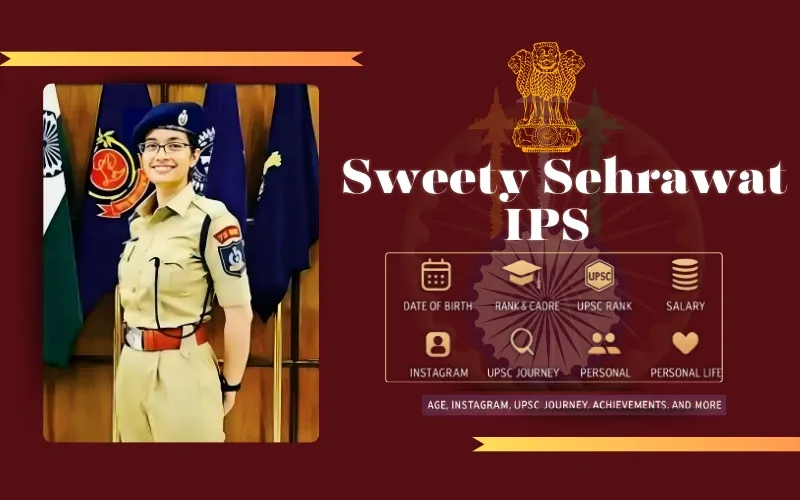
The Importance Of IPS
The Indian Police Service is one of the most prestigious services in the country and has a direct impact on public safety. IPS officers are responsible for maintaining law and order, preventing crime, managing police administration, and protecting the rights of citizens. Every officer is expected to perform these duties with integrity, discipline, and a strong commitment to justice.
For many UPSC candidates, understanding the profession before starting preparation is extremely important. That is why IPS Corner is a useful topic for aspirants who want reliable information about recruitment, training, responsibilities, and long-term career opportunities without depending on scattered sources.
Who Can Become An IPS Officer
A bachelor’s degree from a recognized university is the basic educational qualification required for the Civil Services Examination. Candidates from any academic background, including arts, commerce, engineering, science, law, and medicine, are eligible to apply.
The minimum age is generally twenty-one years, while the upper age limit varies according to government rules for different categories. Along with academic qualifications, candidates must also satisfy physical and medical standards because police service requires excellent fitness and endurance.
Applicants should always refer to the latest UPSC notification for updated eligibility information.
How Selection Happens
The Union Public Service Commission conducts the recruitment process through the Civil Services Examination. The first stage is the Preliminary Examination, which contains objective questions and serves as a qualifying round.
Candidates who clear the preliminary examination appear for the Main Examination. This stage tests writing ability, subject knowledge, analytical thinking, and understanding of important national issues through descriptive papers.
The final stage is the Personality Test, where the interview board evaluates confidence, communication skills, ethical values, leadership ability, and overall suitability for public service. Final service allocation depends on the combined marks of the Main Examination and interview.
Learning During Training
Training is a major turning point in an IPS officer’s career. It prepares candidates for the responsibilities they will handle after appointment.
The training program includes subjects such as criminal law, investigation techniques, forensic science, cybercrime, police administration, public administration, ethics, and leadership. Practical activities include endurance training, swimming, horse riding, firing practice, and tactical exercises.
These sessions help officers develop confidence, discipline, teamwork, and the ability to make responsible decisions under pressure.
Everyday Work
The daily responsibilities of an IPS officer depend on the department and posting. Officers supervise police stations, monitor criminal investigations, maintain law and order, coordinate emergency operations, and inspect police units.
Many officers work in specialized departments including intelligence, cybercrime, anti-terror operations, economic offences, and traffic management. Some are also appointed to central organizations responsible for national security and internal intelligence.
Every responsibility demands professionalism, accountability, and balanced judgment.
Growth In Service
The Indian Police Service offers excellent opportunities for professional growth. Officers begin with probation and gradually receive greater administrative responsibilities.
Promotions generally lead to positions such as Superintendent of Police, Deputy Inspector General, Inspector General, Additional Director General, and Director General of Police. Senior officers may also receive assignments in organizations responsible for border security, intelligence, disaster management, and criminal investigations.
Consistent performance and integrity contribute significantly to career advancement.
Effective Study Methods
Preparing for UPSC requires dedication over a long period. Candidates should first understand the examination syllabus before selecting study materials.
Daily newspaper reading improves awareness of governance, economy, current affairs, science, and international developments. Standard books should be revised regularly instead of continuously collecting new resources.
Answer-writing practice improves descriptive skills, while mock tests help candidates evaluate preparation and improve time management.
Many successful aspirants use IPS Corner resources to organize their preparation and remain informed about important examination topics.
Skills That Matter
Leadership is one of the most important qualities required for an IPS officer. Effective communication helps officers work with citizens, government officials, and police personnel in challenging situations.
Honesty, patience, discipline, emotional intelligence, and problem-solving ability are equally valuable. Officers frequently face situations where calm thinking and ethical decision-making become more important than quick action.
Continuous learning also helps officers adapt to changing policing methods and technological developments.
Modern Scope
Today’s policing includes cyber security, digital forensics, artificial intelligence, financial investigations, and advanced surveillance systems. Technology has transformed the way law enforcement agencies operate across the country.
IPS officers who continue upgrading their professional knowledge often receive opportunities in specialized departments dealing with complex investigations and national security responsibilities. Lifelong learning remains one of the strongest advantages in this profession.
Conclusion
The Indian Police Service continues to attract dedicated individuals who want to build a meaningful career in public service and law enforcement. officersdetails.com provides useful information for readers exploring civil services, competitive examinations, and government career opportunities. Consistent preparation, physical fitness, disciplined study, and continuous improvement create the foundation for long-term success. Stay committed to your dream, trust your preparation, and work every day toward becoming an IPS officer who serves the nation with dedication.
Read also :-